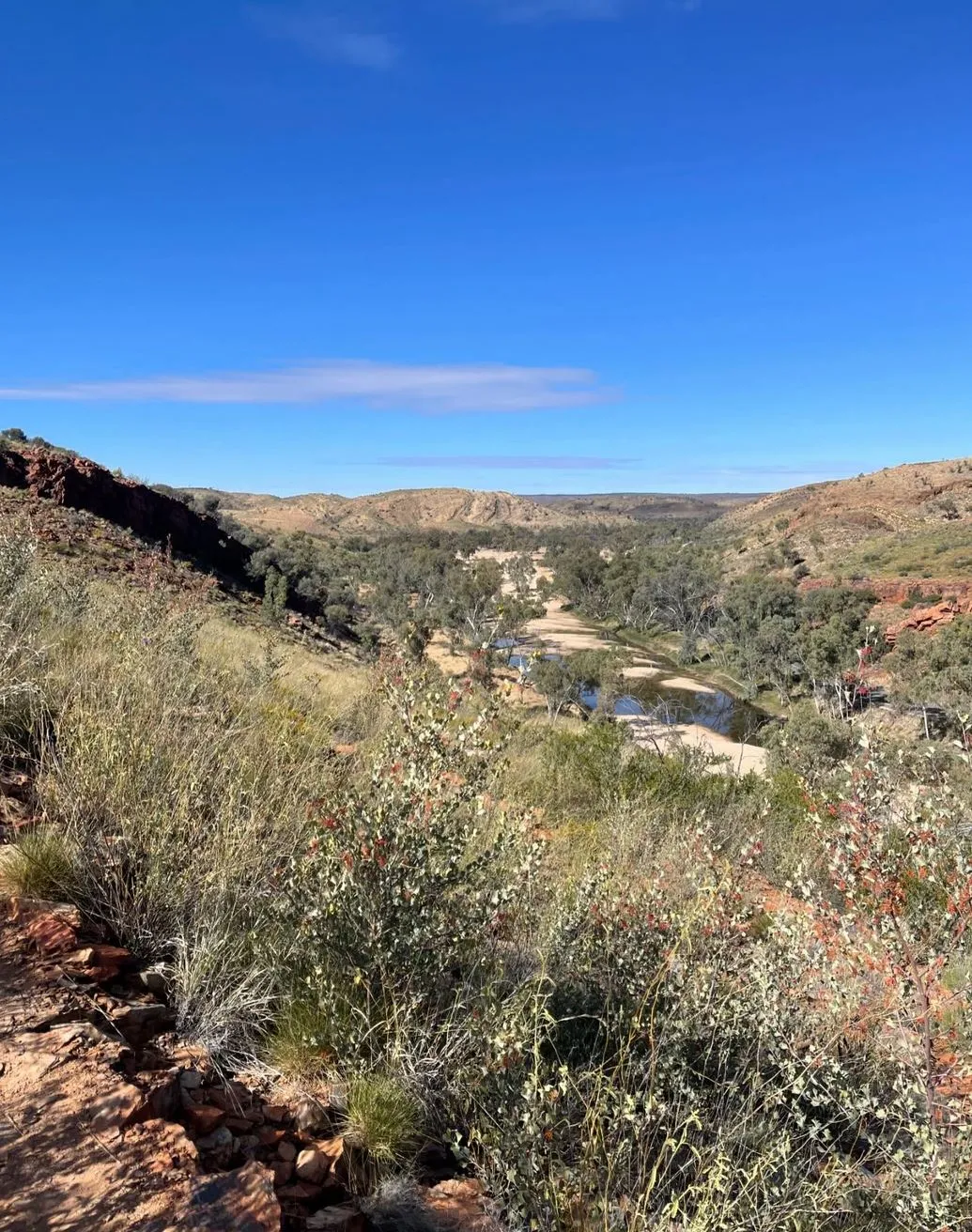
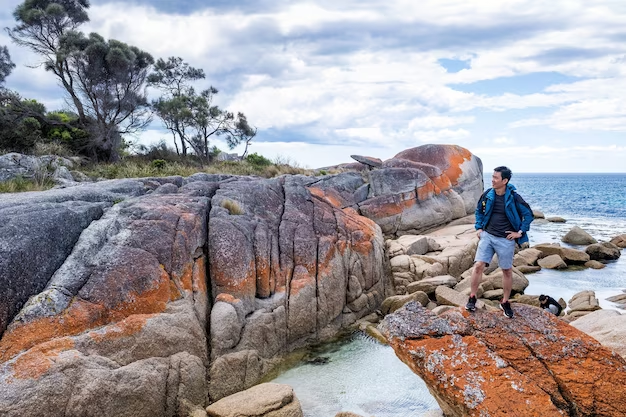
Australia is a land replete with captivating landscapes, from the rugged outback to the vibrant coral reefs. At the heart of its natural allure are the national parks, sanctuaries that preserve the continent’s diverse biomes, rich cultural history, and striking panoramas. These reserves are more than just tourist destinations; they are an intrinsic part of Australia’s ecological and cultural fabric. The nation boasts an impressive 685 national parks, each offering a unique glimpse into the planet’s ancient history and Australia’s commitment to conservation. This article dives into the wonders of these national jewels and what makes them so essential to Australia’s natural heritage.
The National Parks of Australia: An Overview
A national park is typically a large area protected for its natural beauty, wildlife, and cultural significance. These areas are set aside by the government for the enjoyment of the public and the preservation of their natural state. In Australia, national parks play a crucial role in safeguarding delicate ecosystems and species while providing invaluable spaces for scientific research, environmental education, and recreation.
Australia’s 685 national parks cover a vast array of environments, from coastal reserves and mountain ranges to arid deserts and tropical rainforests. Each park is a custodian of the continent’s unique biodiversity, offering refuge to countless endemic species and serving as a living library of ecological wealth.
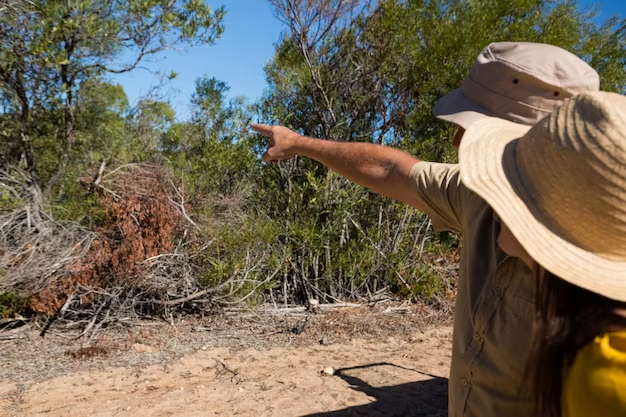
Iconic National Parks and Their Wonders
- Great Barrier Reef Marine Park
Located off the coast of Queensland, the Great Barrier Reef Marine Park is extraordinary, not just in Australia but on a global scale. It is the largest coral reef system in the world, stretching over 2,300 kilometers and comprising nearly 3,000 individual reefs. Its complex mosaic of marine life supports a dazzling array of species, including vulnerable and endangered ones like the dugong and the large green turtle. For visitors, the reef offers unparalleled opportunities for snorkeling, diving, and observing the interplay of marine life in all its vibrant colors. But beyond leisure, the reef is a vital component of the ocean’s health and a significant contributor to scientific research on marine ecosystems and climate change. Are you planing for the perfect Great Barrier Reef tours? Look no further! Join our business partner with experience since 1998 https://greatbarrierreeftour.au/. Desire unforgettable experience exploring the stunning marine life and vibrant coral reefs.

- Uluru-Kata Tjuta National Park
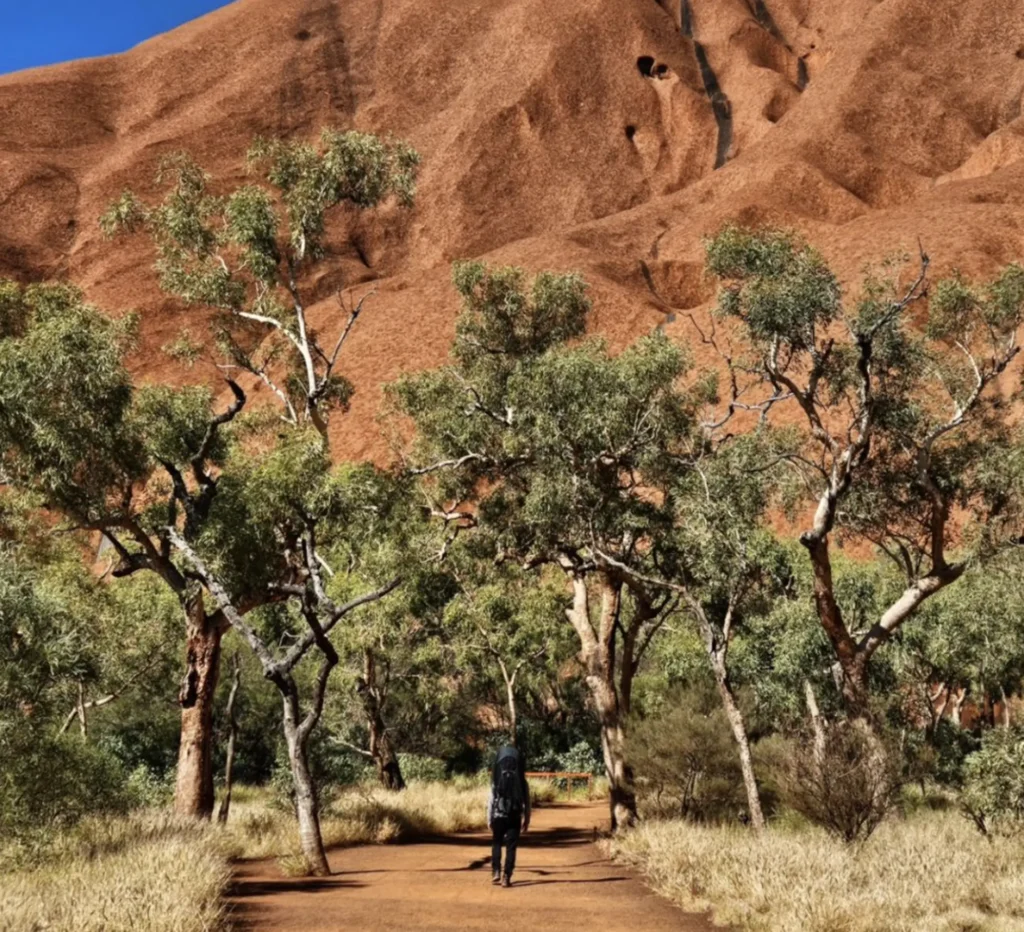
Located in the heart of the continent, Uluru-Kata Tjuta National Park hosts one of Australia’s most iconic landmarks: Uluru (Ayers Rock). The park also encompasses the 36 awe-inspiring red domes of Kata Tjuta (The Olgas). Both geological wonders not only captivate with their natural beauty but also hold deep spiritual significance for the Anangu, the traditional Aboriginal owners of the land. Efforts to manage tourism sustainably have been central to the park’s operation, ensuring that visitors can enjoy the awe-inspiring scenery and learn from the rich Aboriginal culture while maintaining the sanctity of this World Heritage site. If you are looking for an amazing tour from Alice Springs to Uluru? Look no further! Our tours offer a unique and immersive experience that you won’t soon forget.
- Kakadu National Park
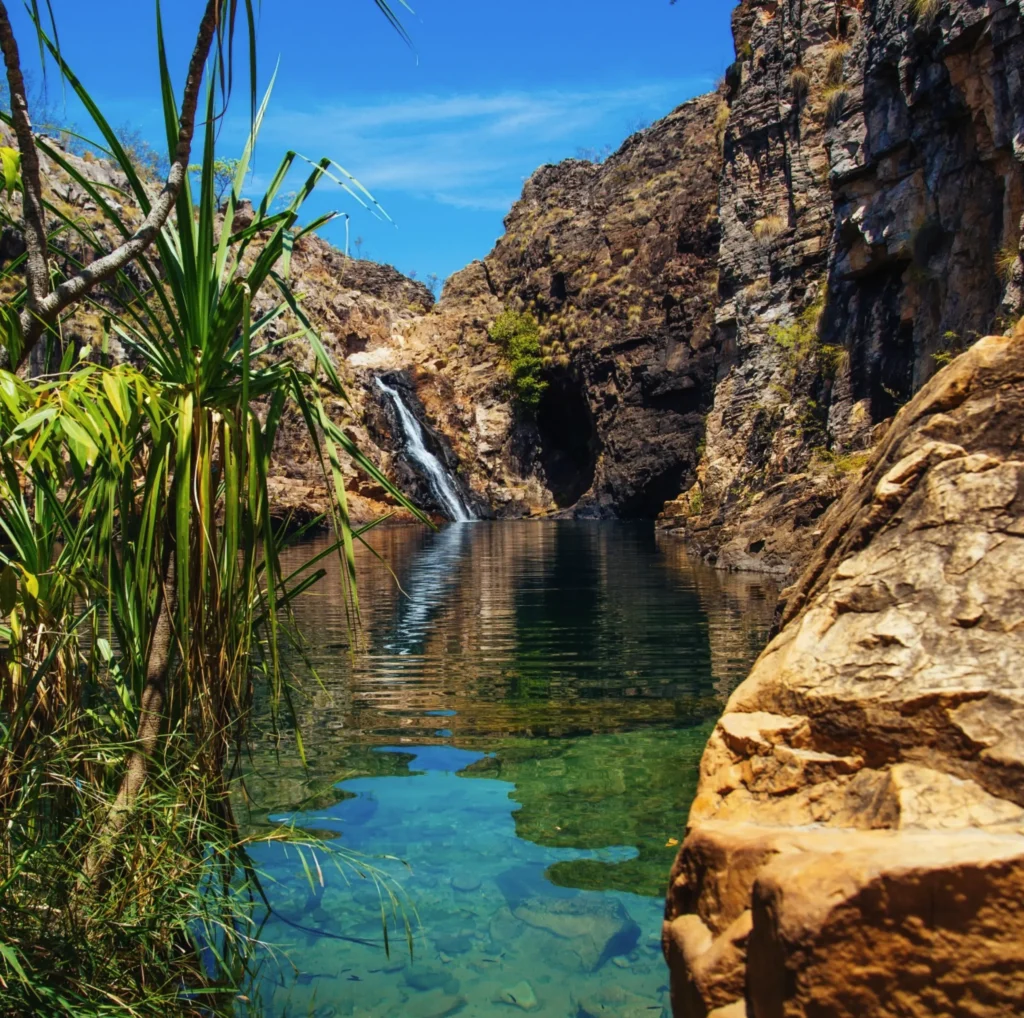
Occupying a massive expanse of the Northern Territory, Kakadu National Park is a testament to ecological diversity and Aboriginal heritage. It is a living cultural landscape with evidence of human occupation dating back more than 40,000 years. Visitors can witness ancient rock art at sites like Nourlangie and Ubirr, offering glimpses into Australia’s oldest living cultures. Biologically, Kakadu is unparalleled within Australia. Its diverse habitats support over 280 bird species, around a third of all Australian freshwater fish species, and a rich variety of plants, some of which are found nowhere else in the world. Experience the beauty and adventure of Kakadu National Park with our range of Kakadu tours led by knowledgeable guides. Discover the wonders of this World Heritage-listed site.
Experiencing Australia’s National Parks
- In Tasmanian Wilderness World Heritage Area, adventurers can traverse the Cradle Mountain-Lake St Clair National Park with its famous Overland Track.
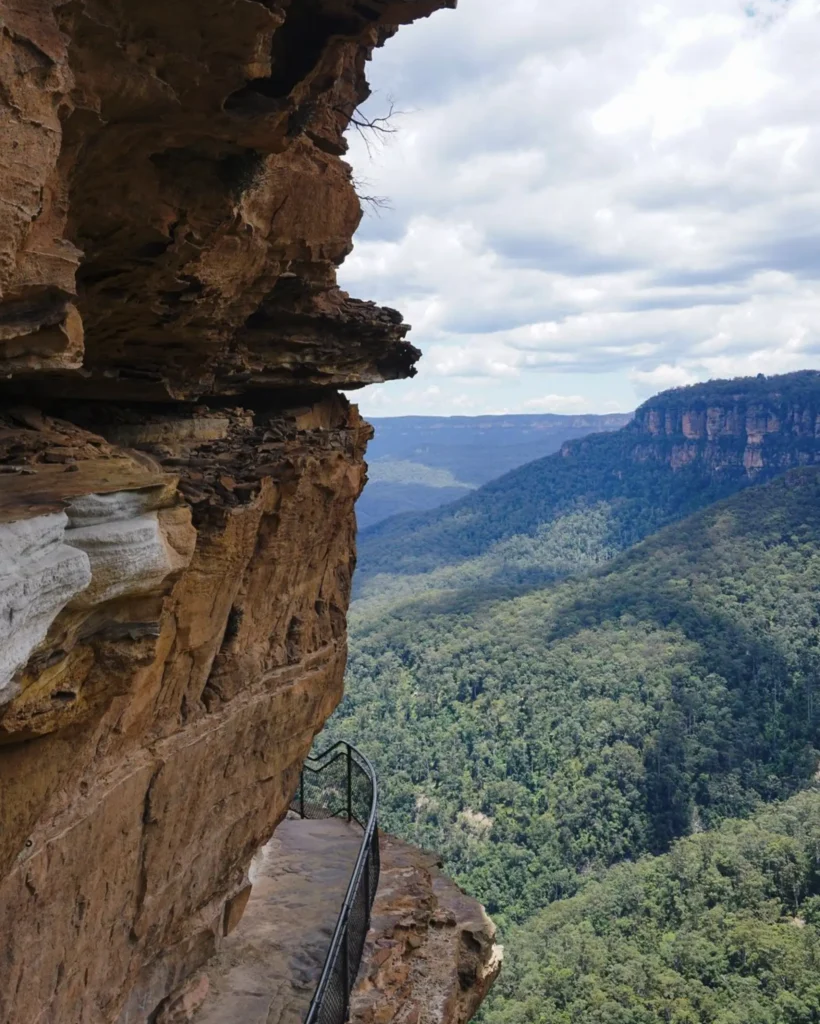
- In the Blue Mountains National Park, near Sydney, extraordinary rock formations like the Three Sisters beckon hikers.
- The remote Purnululu National Park in Western Australia entices with its distinctive Bungle Bungle Range, offering walks through dramatic, beehive-striped sandstone domes.
These activities not only provide exhilarating experiences but also foster an appreciation for the natural wonders and the importance of preserving these wild spaces. To ensure these treasures remain unspoiled for future generations, park authorities often provide guidelines for environmentally responsible behavior, emphasizing a ‘leave no trace’ philosophy.
| No. | National Park | State/Territory | Remarkable Feature |
|---|---|---|---|
| 1 | Kakadu National Park | Northern Territory | Ancient rock art, diverse ecosystems |
| 2 | Great Barrier Reef Marine Park | Queensland | World’s largest coral reef system |
| 3 | Uluru-Kata Tjuta National Park | Northern Territory | Iconic sandstone formations, Aboriginal cultural sites |
| 4 | Royal National Park | New South Wales | Australia’s oldest national park, coastal cliffs, and eucalyptus forests |
| 5 | Freycinet National Park | Tasmania | Pristine beaches, pink granite mountains |
The table above provides a snapshot of the diversity and breadth of Australia’s national parks, but it barely scratches the surface of what these areas have to offer. Exploring these protected lands provides a sense of the country’s pulse—its ancient heartbeat and its modern preservation efforts.
The Impact of National Parks on Australia
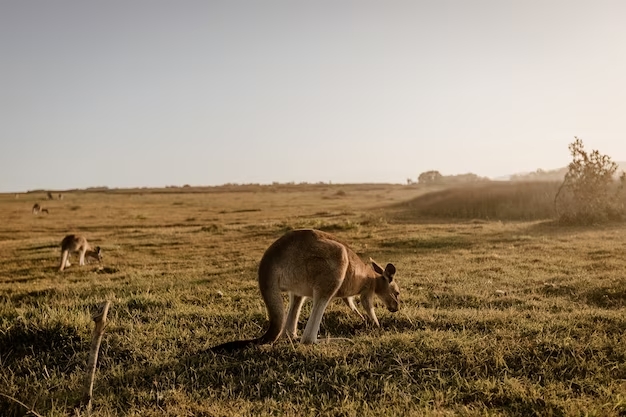
Australia’s national parks are more than just scenic hideaways; they are pivotal to the health of the planet and the well-being of its inhabitants. These areas serve as natural carbon sinks, playing a critical role in climate regulation by absorbing greenhouse gases. They are vital sanctuaries for countless species of plants and animals, many of which are endemic to Australia and rely on the protection of these parks for their survival.
- Environmental Benefits
The conservation of diverse landscapes within national parks helps preserve delicate ecosystems and maintain biological diversity. Integral to these efforts are the protected breeding grounds for both marine and terrestrial wildlife that these parks offer. Their existence helps to ensure the persistence of rare flora and fauna, making parks indispensable in the fight against global biodiversity loss. Additionally, the established buffer zones help prevent habitat destruction and provide corridors for wildlife to migrate and adapt to climate change. - Economic Impact
Tourism associated with national parks significantly bolsters the Australian economy. Millions of visitors are drawn to the grandeur and tranquility of these areas each year, supporting local businesses and creating jobs in hospitality, tours, and conservation work. The allure of the unique Australian landscape can be credited for much of the success of the country’s tourism industry, making national parks a significant financial asset to the nation. - Social and Cultural Significance
Beyond economics, national parks also enrich Australia’s social fabric. They are places where people can reconnect with nature, reflect on life, and engage in health-promoting activities such as hiking and wildlife observation. Culturally, these parks are guardians of Indigenous sites and traditions, allowing new generations to learn about and participate in ancient customs and preserving human history for years to come.
How to Support and Enjoy Australia’s National Parks
- Getting Involved in Conservation Efforts
Hundreds of volunteer groups across Australia work tirelessly to protect and maintain national parks. These groups engage in activities like tree planting, wildlife monitoring, and trail maintenance. Contributing your time and effort to these causes can make a significant impact, helping to conserve the natural beauty and biodiversity of these parks. - Best Practices for Sustainable Tourism
When visiting national parks, it is vital to follow the principles of sustainable tourism. This includes staying on designated trails to prevent soil erosion, disposing of waste properly, respecting wildlife and their habitats, and adhering to fire safety regulations. Being a mindful visitor ensures that your impact on the environment is minimal. - Planning Your Visit: Tips and Resources
Before visiting a national park, it’s important to research and plan your trip. Each park has different regulations, attractions, and challenges. Websites, visitor centers, and local tourism offices provide valuable information, such as maps, seasonal advice, and details on cultural sensitivities, which can help you make the most of your trip and respect the park’s unique environment and heritage.
Conclusion
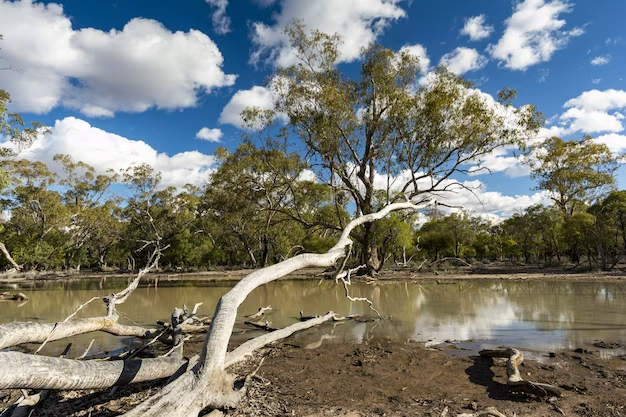
Australia’s 685 national parks are windows into the soul of the continent, offering panoramic views of its dynamic history, cultural richness, and environmental diversity. From the turquoise waters of the Great Barrier Reef to the red sands of the Outback, these areas form a tapestry that narrates the story of a country and a planet. By visiting these parks with a spirit of adventure paired with respect and responsibility, we ensure that this story continues to unfold for generations to admire and learn from.
FAQs
Can foreign tourists volunteer in Australian National Parks?
Yes, foreign tourists can often volunteer in Australian national parks. It’s advised to contact the park or a local volunteer organization in advance to find out about any requirements, such as visas or work permits.
Are Australia’s national parks accessible throughout the year?
Accessibility varies depending on the location and season. Some parks may close during extreme weather conditions or for cultural reasons. Always check the park’s official website for the most up-to-date information.
How can I learn about the Aboriginal cultural sites within the national parks?
Many parks offer guided tours by Aboriginal rangers or work with local Indigenous organizations to provide authentic cultural experiences. Visitor centers often house educational exhibits as well.
What safety measures should I take when exploring Australian national parks?
Always prepare for variable weather, rugged terrain, and remote conditions. Inform someone about your travel plans, carry sufficient water, use sun protection, and have a first aid kit. Check for specific park safety advice before your trip.
Are there entrance fees for Australian national parks?
While many parks are free to enter, some require an entrance fee or a vehicle pass. Fees contribute to conservation efforts and facilities maintenance. Information on fees can typically be found on the relevant park’s website.