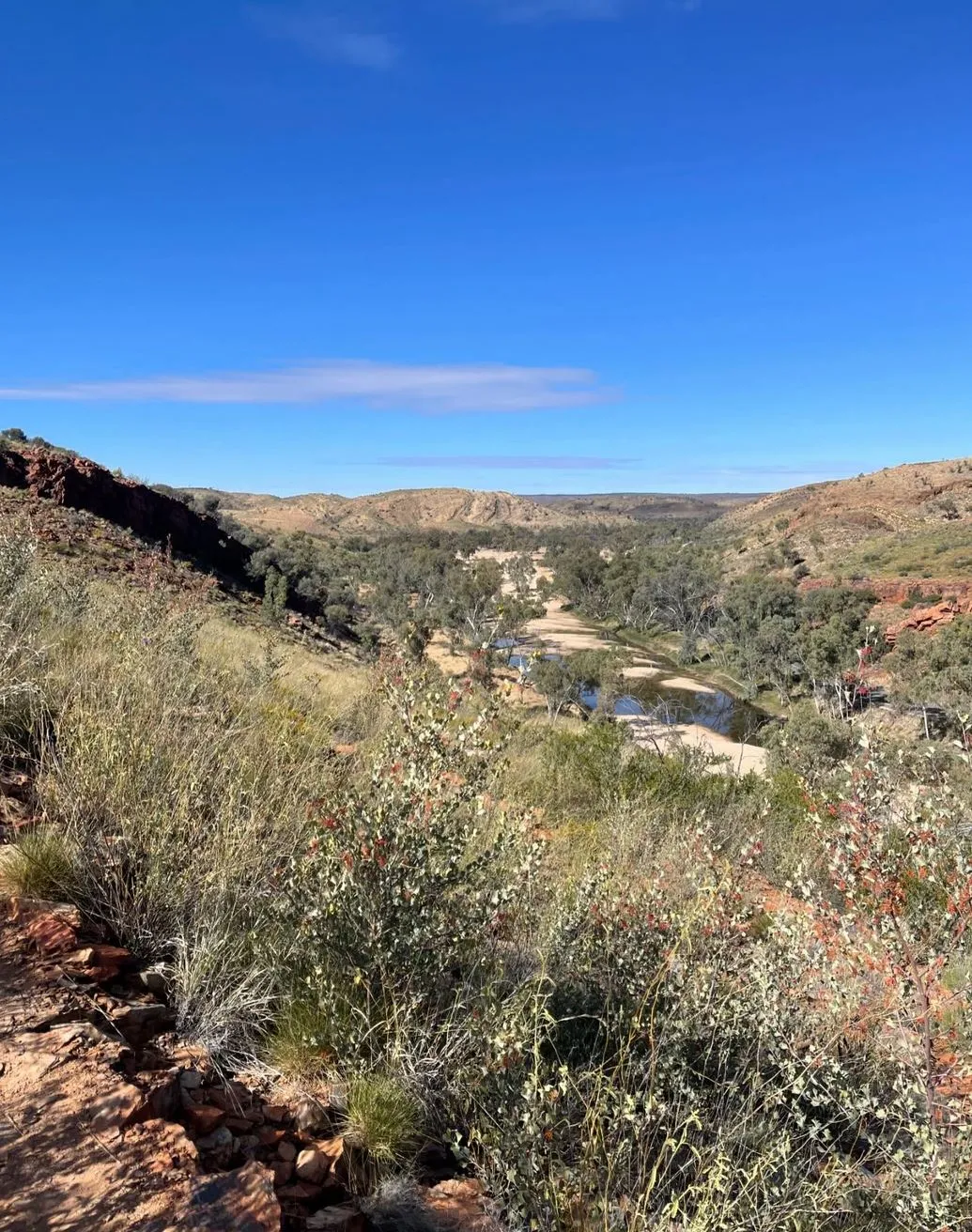

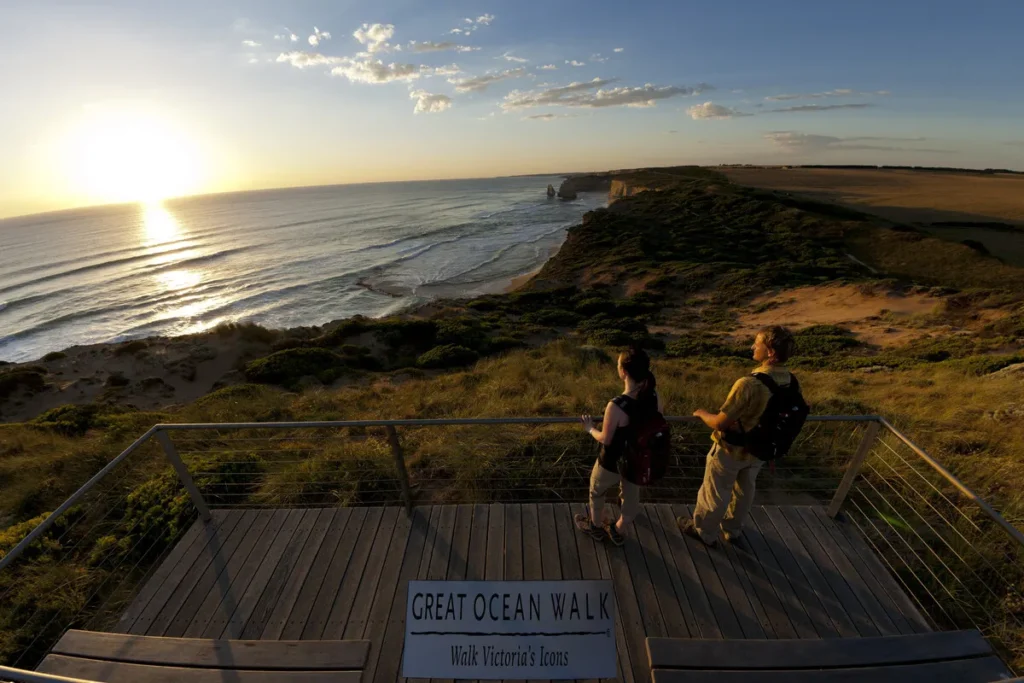
The Great Ocean Road is a 240km long road trip along Australia’s south coast. Famous for its coastal views, limestone stacks and seaside towns, it’s a must-do for anyone visiting the country. Whether you’re into the natural beauty of Otway National Park, the history of Port Campbell National Park, or the charm of Apollo Bay and Port Fairy, the Great Ocean Road has something for everyone. This guide will cover the highlights, secrets and tips to make the most of your Great Ocean Road trip from Melbourne.
Highlights
Twelve Apostles
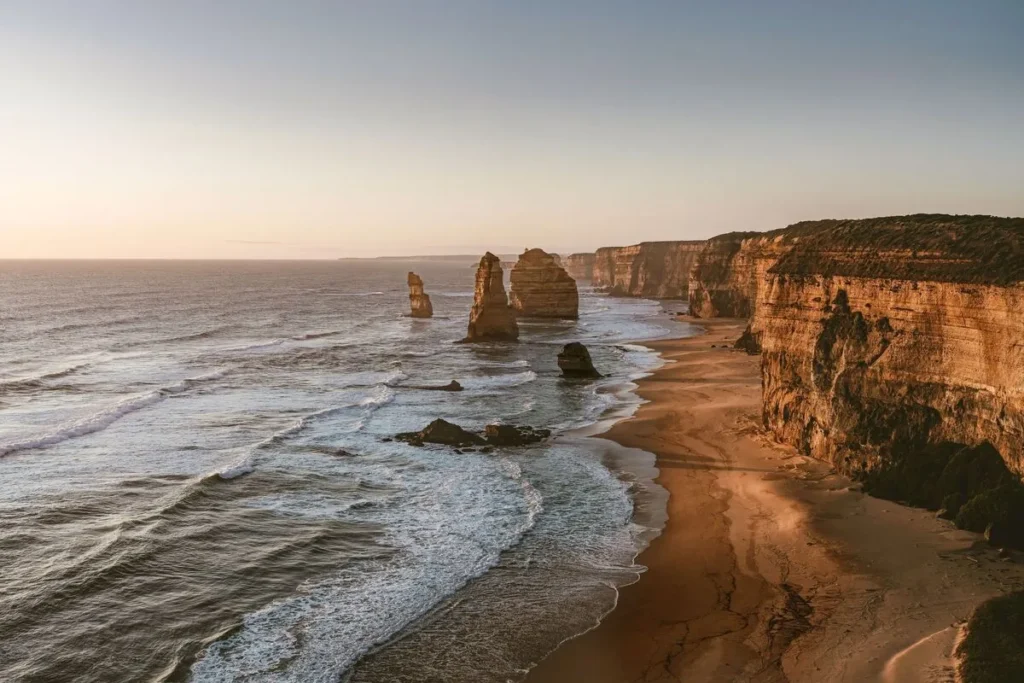
The Twelve Apostles in Port Campbell National Park are the most famous rock formations on the Great Ocean Road. These limestone stacks, carved by the Southern Ocean, are a reminder of nature’s force. For the best views, visit the Apostles lookout at sunrise or sunset. The golden light is perfect for photography. For a different view, head down the Gibson Steps to see the Apostles from the beach, where you can truly appreciate their size.
Port Campbell National Park
Port Campbell National Park is home to some of the Great Ocean Road’s most famous landmarks. London Bridge, once a natural arch connected to the mainland, is now a standalone rock formation after a dramatic collapse in 1990. The Arch and the Bay of Islands are nearby and just as impressive. The cliffs and rock formations along this stretch of road are full of photo opportunities, so you should have your camera ready. For a quieter experience, head to the Bay of Martyrs or Muttonbird Island, where you can enjoy the coast with fewer people.
Apollo Bay
Apollo Bay is a lovely seaside town and the perfect base to explore the area. Situated between the Otways and the coast, Apollo Bay has plenty of dining options, accommodation options and some of the best beaches along the Great Ocean Road. The town is a great place to sit back and enjoy the views. Don’t miss Apollo Bay Drive, where you can see the ocean and the green hills surrounding the town.
The Otways
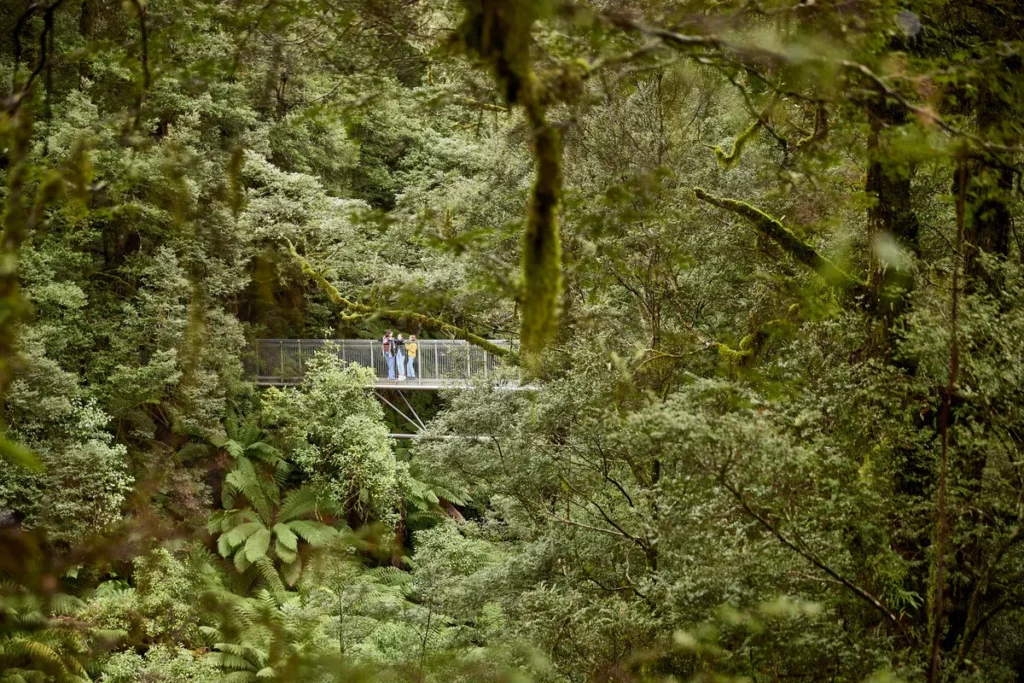
The Otways are the icing on the cake of any Great Ocean Road trip, with lush rainforest, stunning waterfalls and wildlife galore. The Otway National Park has many natural wonders, including the Otway Fly Treetop Walk, where you can see the rainforest from above. Waterfalls like Erskine Falls, Phantom Falls, and Hopetoun Falls are must-sees, each with its own unique beauty and photo opportunities. If you love wildlife, a drive along Grey River Road will give you the chance to see wild koalas in their natural habitat. The Otways also have several camping and holiday parks, like Bimbi Park where you can get amongst it all.
Cape Otway
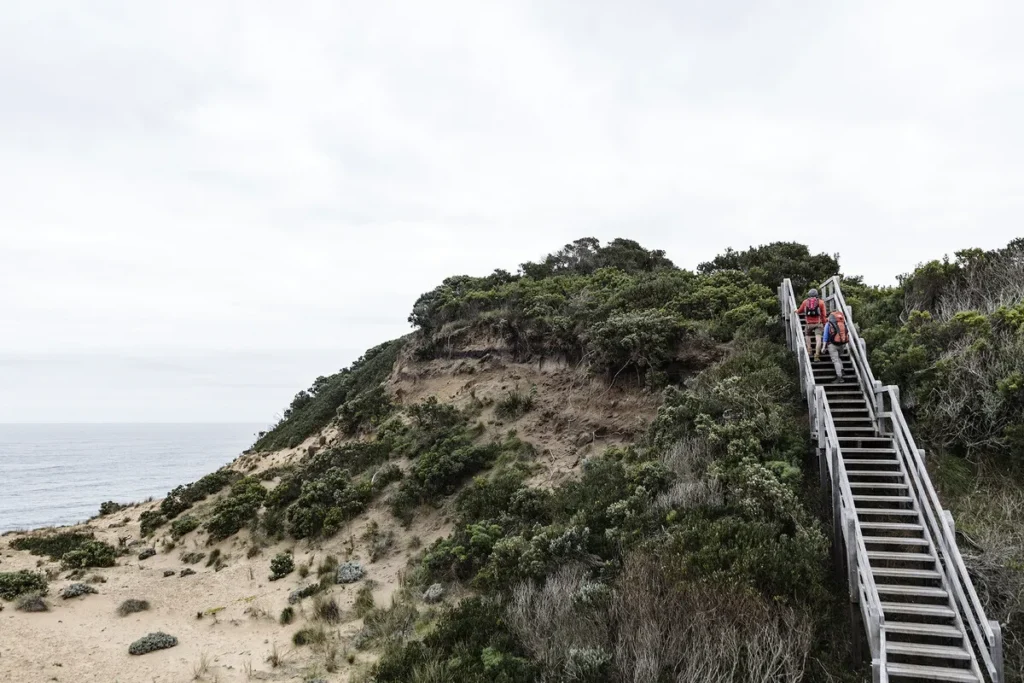
Cape Otway is steeped in history and natural beauty. The Cape Otway Lighthouse, Australia’s oldest surviving mainland lighthouse, has stunning views of the coastline, and you can explore the Cape Otway Lightstation. The area is also home to eucalyptus trees, and native animals like koalas are often seen. The coastal cliffs and rugged landscape make Cape Otway a must-see for history buffs and nature lovers. Nearby, the Kennett River Nature Walk is a peaceful walk through the bush where you can see and hear the local wildlife.
Port Fairy
Port Fairy, another lovely seaside town, is the perfect place to finish your Great Ocean Road trip. Famous for its historic buildings, beautiful beaches and vibrant arts scene, Port Fairy has something for everyone. The annual Port Fairy Folk Festival attracts music lovers from around the world, while the beaches, like the white sand beach of East Beach, are a great place to unwind. If you love history, the Shipwreck Coast near Port Fairy has many famous shipwrecks, adding to the charm of this quaint town.
Hidden Gems
Lavers Hill
Lavers Hill is a tiny town on the inland route of the Great Ocean Road. A great place to stop and get off the coast and into the green hills of the Otways. The area is famous for its hilltop views and peacefulness. Lavers Hill is also the gateway to some of the less visited parts of Otway National Park, including Castle Cove and Johanna Beach Drive. These areas have stunning beaches and natural attractions without the crowds of the more popular spots.
Aireys Inlet
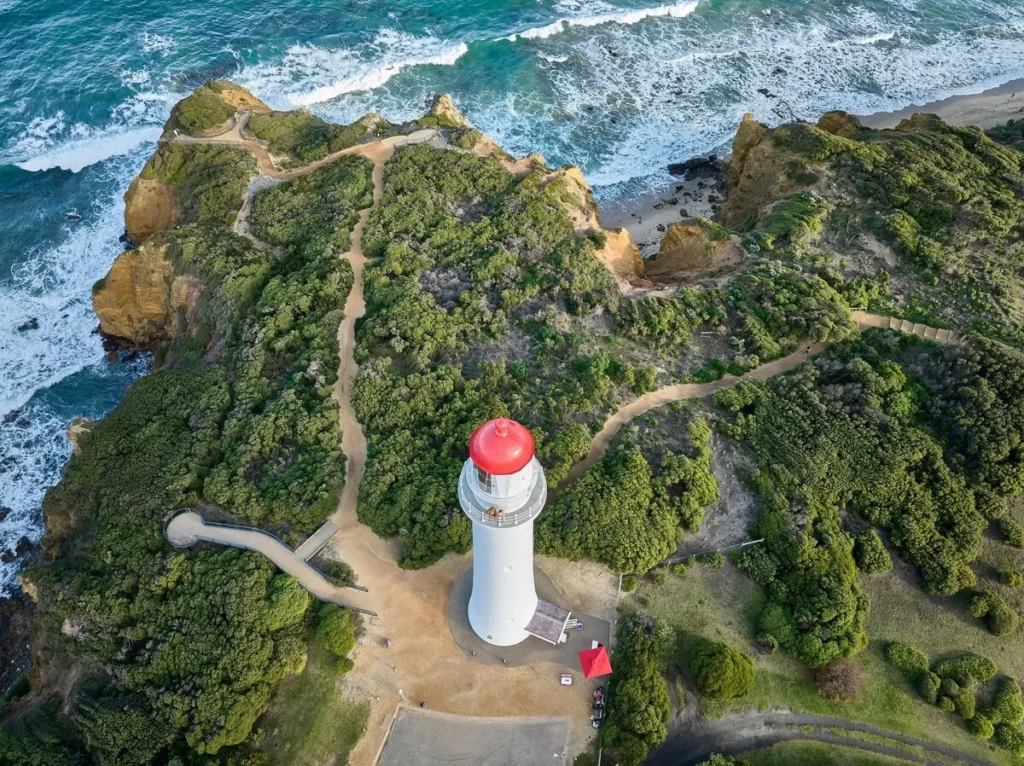
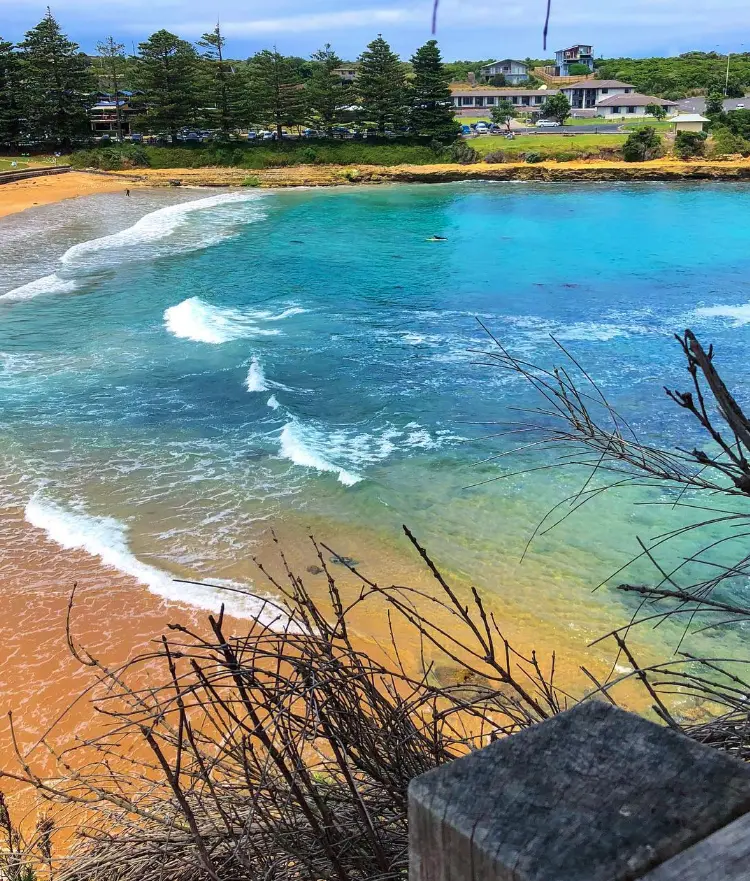
Aireys Inlet is a beautiful town on the Great Ocean Road, famous for the Split Point Lighthouse and its views. The lighthouse, often called the “White Queen” stands tall on the cliffs and has stunning views of the area. Aireys Inlet also has some beautiful beaches and walking trails, so it’s a great place to get out and about. Fairhaven Beach is a popular spot for surfing and swimming, with its long sandy beach and clear water.
Kennett River
Kennett River is where you’ll find the most wild koalas on the Great Ocean Road. The Kennett River Nature Walk takes you through their natural habitat, where you can spot them lounging in the eucalyptus trees. The area is also home to many other native animals and bird life, so it’s a must for wildlife lovers. After your walk, pop into Kafe Koala for a coffee and chill out.
Logans Beach
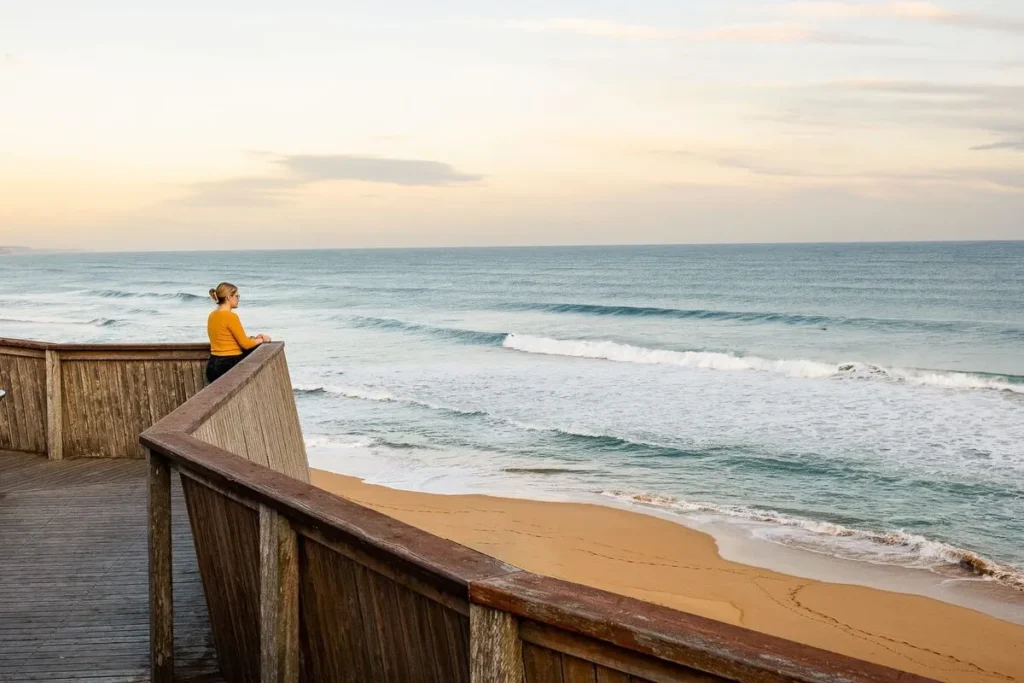
Logans Beach near Warrnambool is where you’ll find whale watching. During whale migration season, the Southern Right Whales come in close to shore, so this beach is one of the best places to see them. The viewing platform at Logans Beach is the perfect spot to watch them swim and play in the waves. Even outside of whale season, the cliffs and coastal views are beautiful.
Halls Gap
Halls Gap is a bit of a detour from the Great Ocean Road, but it is worth the trip. Famous for its rock formations, cliffs and wildlife Halls Gap is a hiker and nature lovers paradise. The area has many trails from easy walks to challenging hikes each with stunning views of the surrounding landscape. The town itself is quaint with many accommodation options, dining options and plenty of opportunity to explore the natural beauty of the Grampians.
Practical Tips
Driving
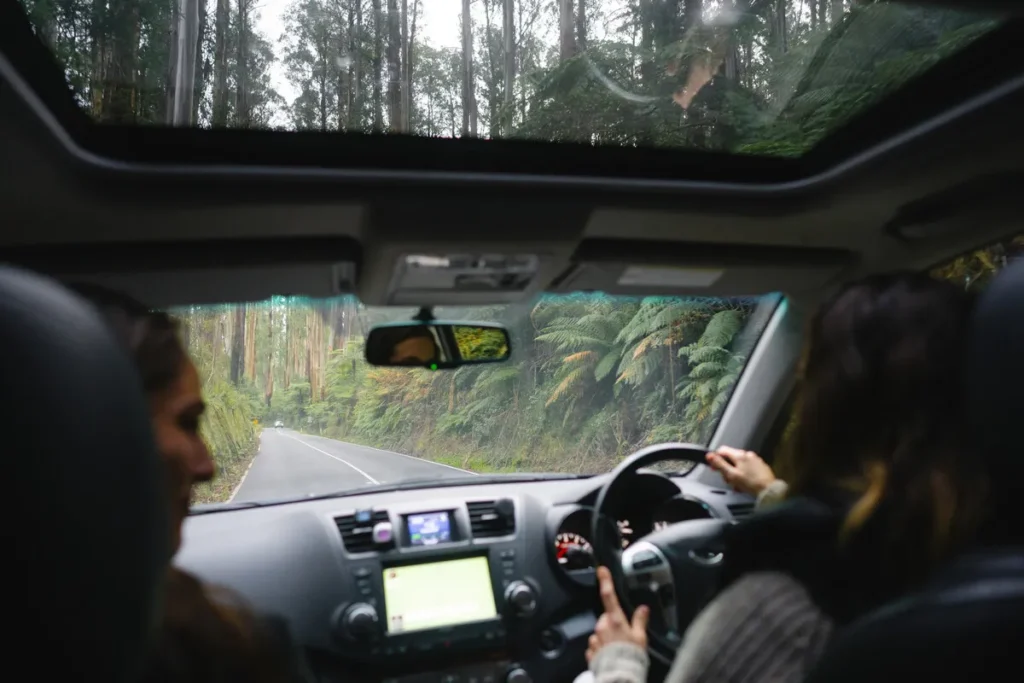
The Great Ocean Road is a coastal road with windy sections around Lavers Hill and Port Campbell. Take your time and drive carefully, especially if you’re not used to driving on these types of roads. The drive from Melbourne to Port Fairy can be done in a day, but to really enjoy the journey and the many attractions along the way, do it over 2 or 3 days. If you’re visiting during peak season, the popular attractions like the Twelve Apostles and the Apostles car park can get busy, so get there early in the day.
Weather and Timing
The weather on the Great Ocean Road can change quickly so pack layers including a waterproof jacket and be prepared for sudden changes. The best time to visit the Apostles for sunset or sunrise is when the light is soft, it’s stunning and great for photos. Some spots like Bells Beach and Eastern View are especially beautiful at these times.
Wildlife and Nature
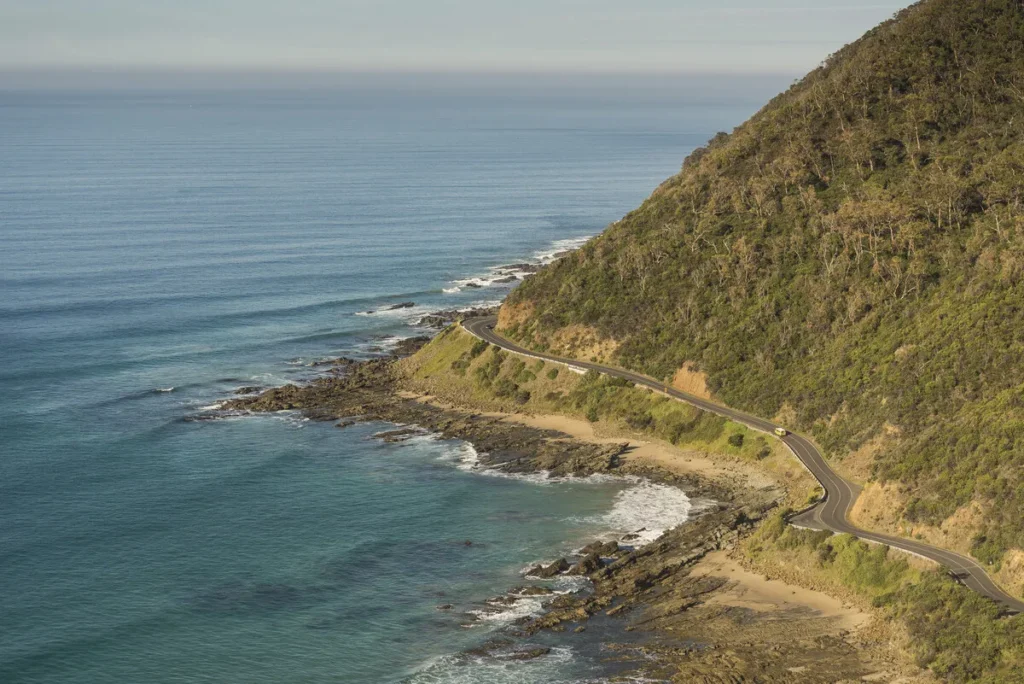
Wildlife is abundant along the Great Ocean Road, and spotting wildlife is a big part of the trip. Besides the koalas at Kennett River, you may see kangaroos, echidnas and various bird life throughout the Otways and other natural areas along the way. Whale watching at Logans Beach is a must during migration season, and you can also visit Sheoak Falls and Grey River Road to get close to and personalize your experience with the local flora and fauna.
Accommodation and Dining
There are many camping and accommodation options of the Great Ocean Road, from luxury resorts to budget caravan parks. Apollo Bay, Port Fairy and Lorne are the main towns with plenty of options, while smaller towns like Lavers Hill and Aireys Inlet offer a more personal experience. Dining options are also plentiful, with fresh seafood being a big highlight in many coastal towns. Don’t miss the opportunity to eat with a view, whether it’s at a beachside cafe in Port Campbell or a hilltop restaurant in Lavers Hill.Photo Opportunities
The Great Ocean Road has endless photo opportunities with its dramatic landscapes, rugged cliffs and beautiful beaches. Besides the well-known spots like the Twelve Apostles and London Bridge, be sure to explore the lesser-known areas like Childers Cove and Castle Cove Drive, where you can get beautiful, uncrowded views. If you’re into nature photography, the Otways have plenty of opportunities to photograph waterfalls, tree ferns and wildlife in their natural environment.
FAQ
How long does it take to drive the Great Ocean Road?
You can do it in a day, but to really experience the Great Ocean Road, 2 or 3 days is recommended. That way, you can take your time visiting the coastal towns, natural wonders, and views.
What are the must-see stops on the Great Ocean Road?
Must see stops are the Twelve Apostles, Port Campbell National Park, Apollo Bay, Cape Otway and the Otways. Lesser known gems like Aireys Inlet, Kennett River and Lavers Hill have their own unique experiences and views.
When should I visit the Great Ocean Road?
The best time to visit is spring (September to November) or autumn (March to May) when the weather is nice and the crowds are smaller. Visit early morning or late afternoon for the best photography light and a more peaceful experience.
Are there any secret spots along the Great Ocean Road?
Yes, in addition to the popular stops, there are many secret spots along the way. Lavers Hill has stunning views from the top of the hill, Aireys Inlet has the Split Point Lighthouse and Kennett River is a great spot to see wild koalas. Exploring these lesser known areas will add a special touch to your road trip.
Can I camp along the Great Ocean Road?
Yes! There are several caravan parks and campgrounds along the way, Bimbi Park and Johanna Beach being two of them. Get back to nature and enjoy the views. Book in advance, especially during peak season.