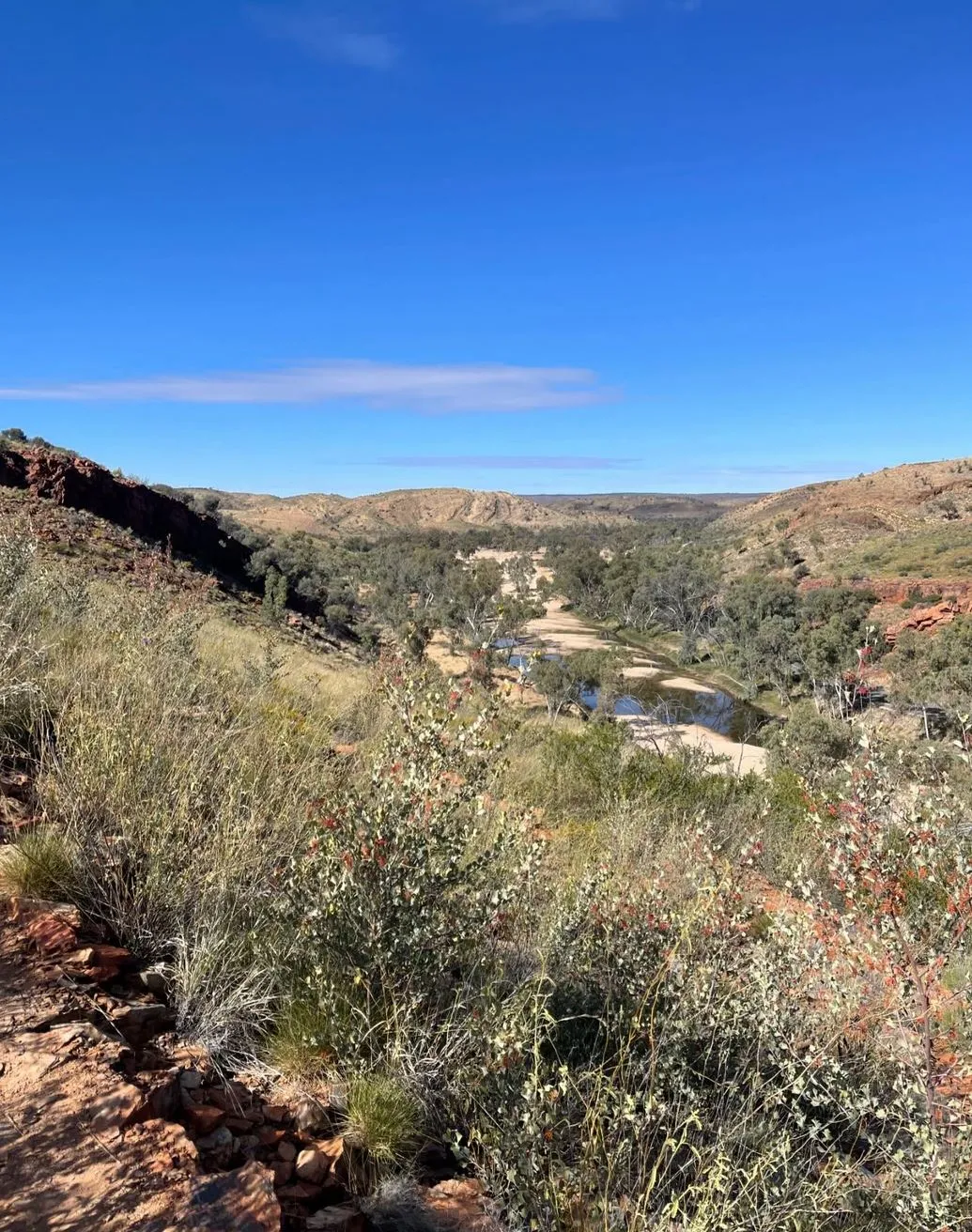
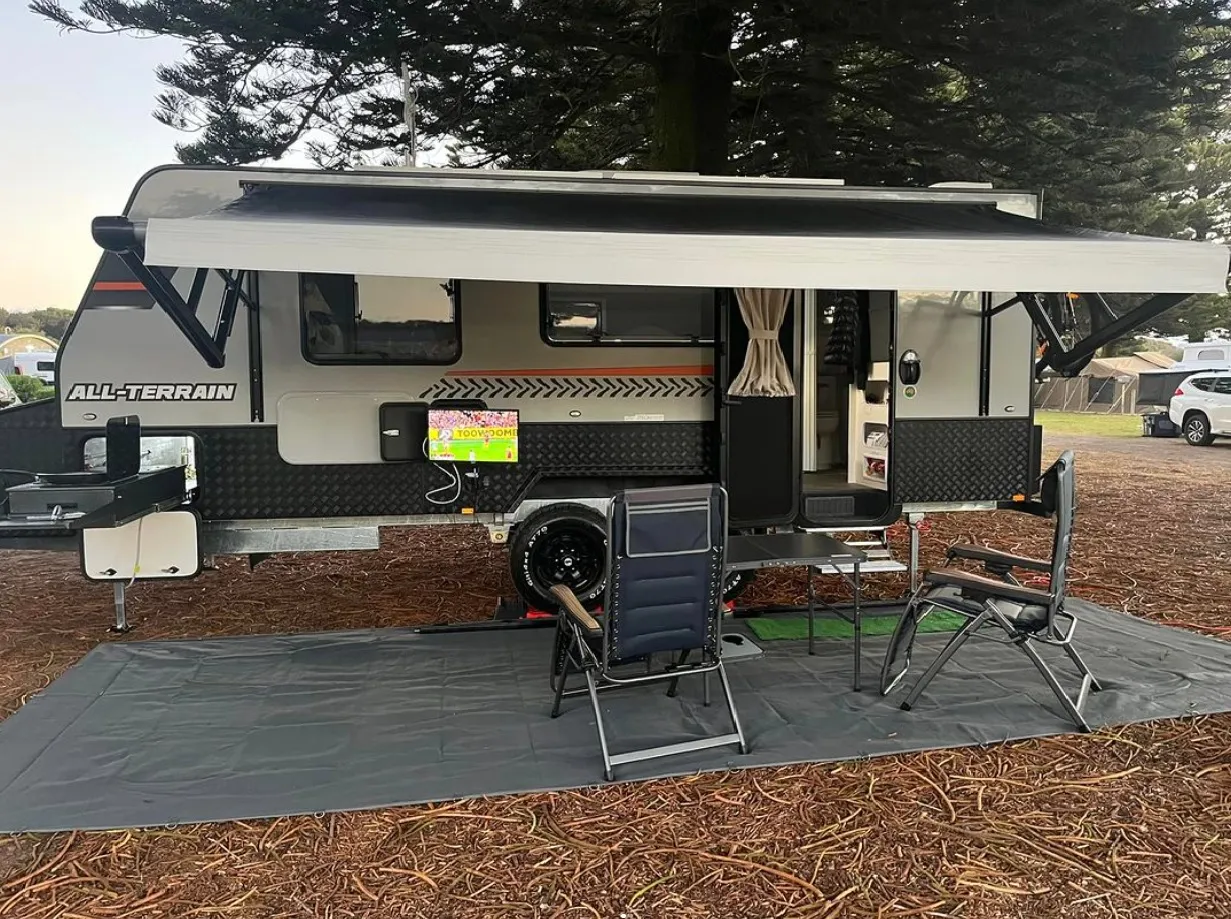
Hi, fellow campers! Are you considering hauling the caravan, loading a tent into your car, and taking off along the famous Great Ocean Road? Prepare yourselves for a fantastic experience as it offers beautiful coastal stretches, incredible national parks, and inviting campsites that provide the best outdoor living. This guide will show you how to plan a perfect camping trip on Australia’s most scenic drive between Apollo Bay and Port Campbell, also known as Cape Otway Cliffs.
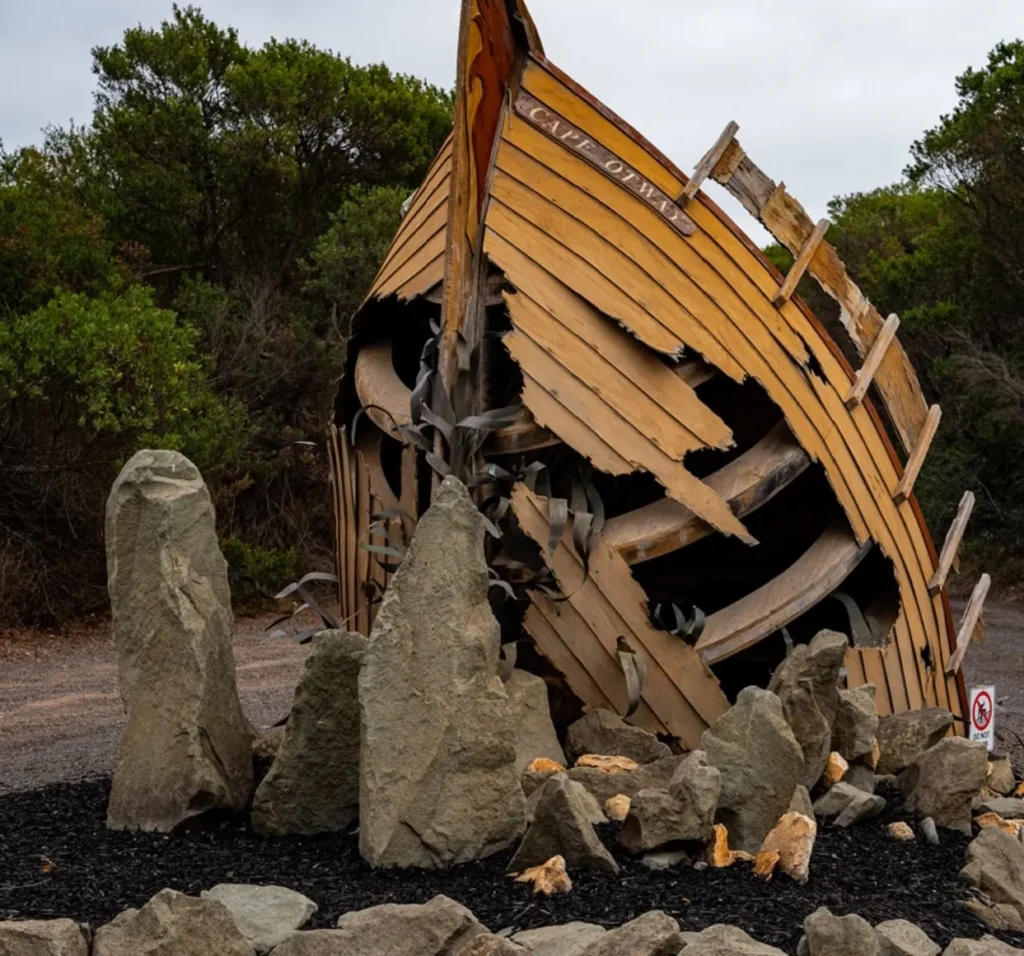
Quick Squiz at the Great Ocean Road
Great Ocean Road is not just any other road; it passes through some of Victoria’s most breathtaking landscapes. The heritage route extends over 243 kilometres with awe-inspiring coastal incredible views, high cliffs and lush green rainforests. From Torquay—Australia’s surfing capital—it goes through well-known seaside towns like Anglesea, Lorne and Apollo Bay before finally arriving in Warrnambool near Shipwreck Coast historical sites. Each city has a unique appeal from Eastern Maar & Gunditjmara peoples towards reconciliation and more profound respect for the land.
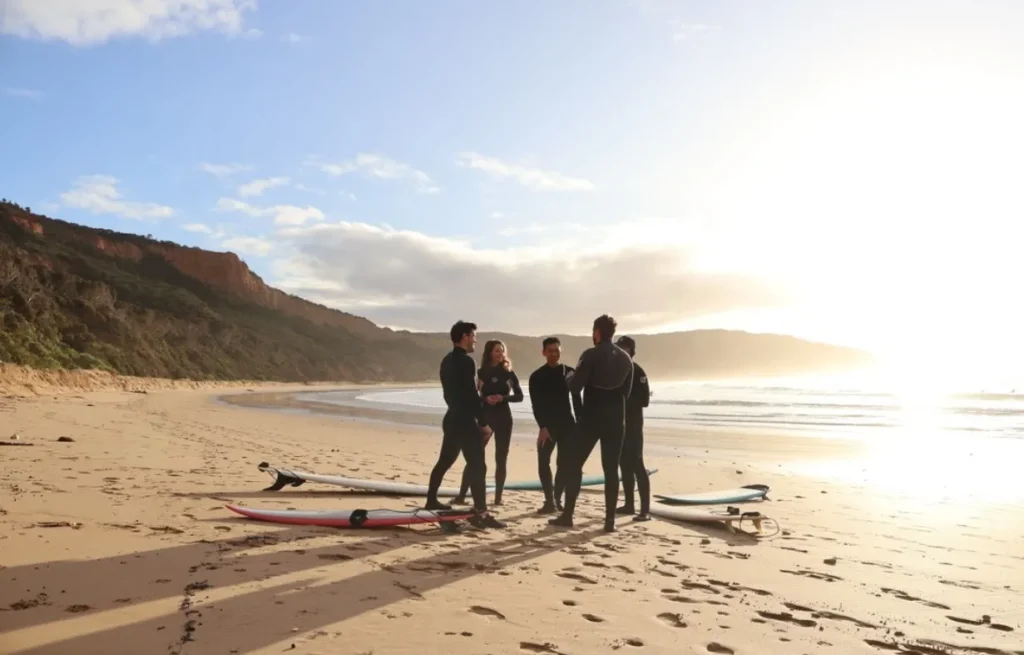
Finding the Right Spot
Where you choose to camp along the Great Ocean Road can make or break your day. Holiday parks are selected depending on the kind of travellers they are. Here, we find different spots, including those with hot showers and kitchen facilities, while others are just plain unspoiled patches with ocean views where one can pitch their tent.
Choosing Top-Notch Accommodation
Why go for anything less when quiet location matters? For instance, selecting top-quality accommodation facilities such as Apollo Bay Holiday Park or Marengo Family Caravan Park puts individuals close enough to urban centres but far enough away from them so they can still enjoy their natural surroundings. These places usually offer various camping spots, from powered site camper trailers to light cabins. Besides these features, holidays like these have swimming pools for children, among other things.
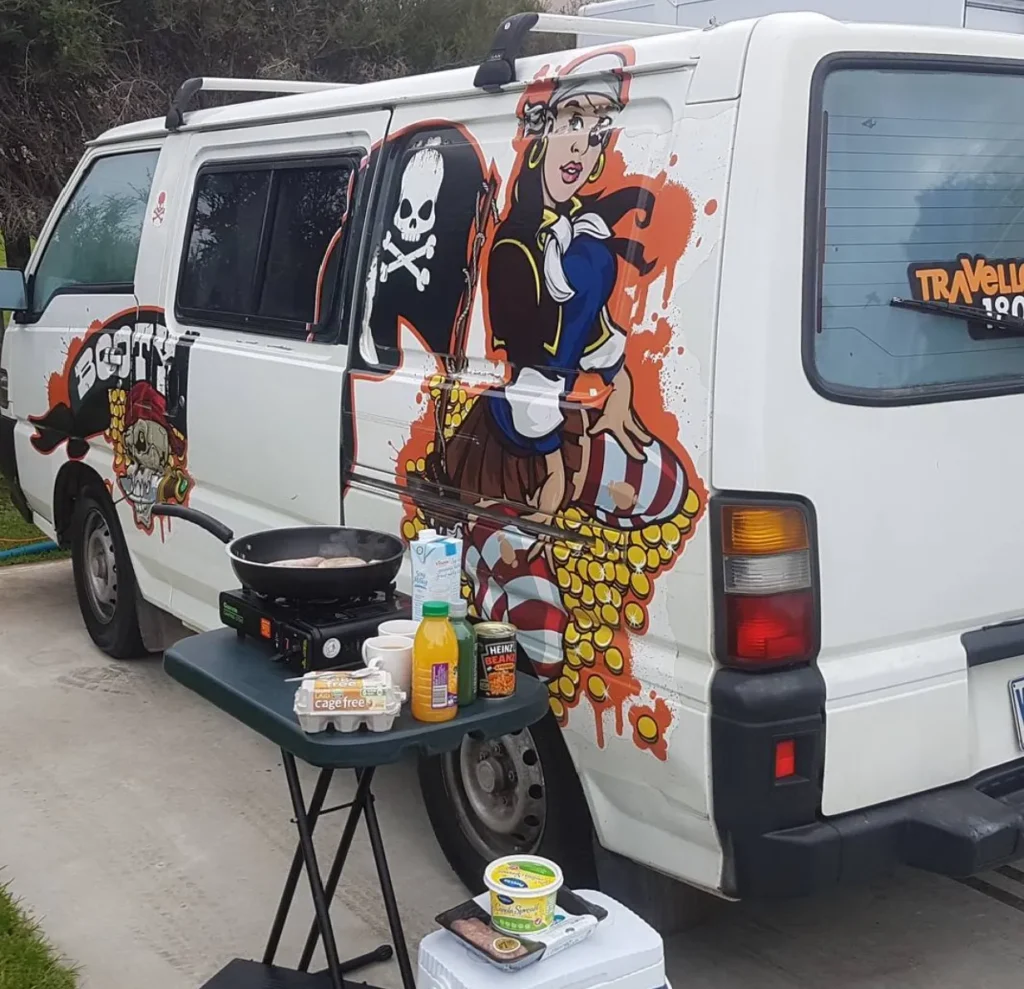
Holiday Parks vs. Wild Camping
For vacationing families and people who want comfort, the best holiday parks on Great Ocean Road are Cumberland River Holiday Park and Big4 Apollo Bay. They provide showers, laundry facilities, and even a couple of hot tubs. However, Johanna Beach is restricted to unpowered campsites, which mainly have basic amenities for those who wish to rough it more. The compromise here is no hot showers and drop toilets, but you get to wake up on some of the most stunning Victoria beaches.
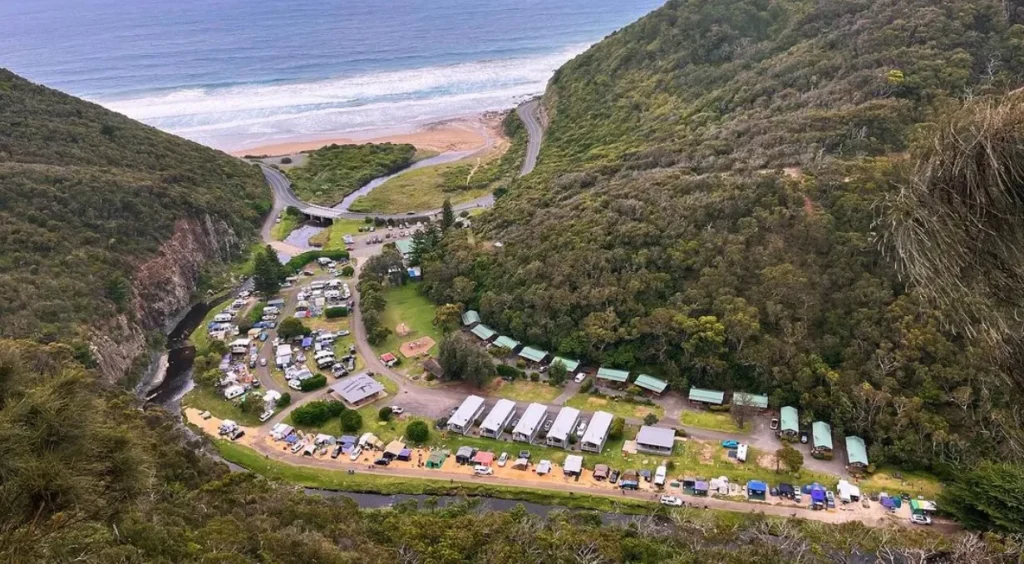
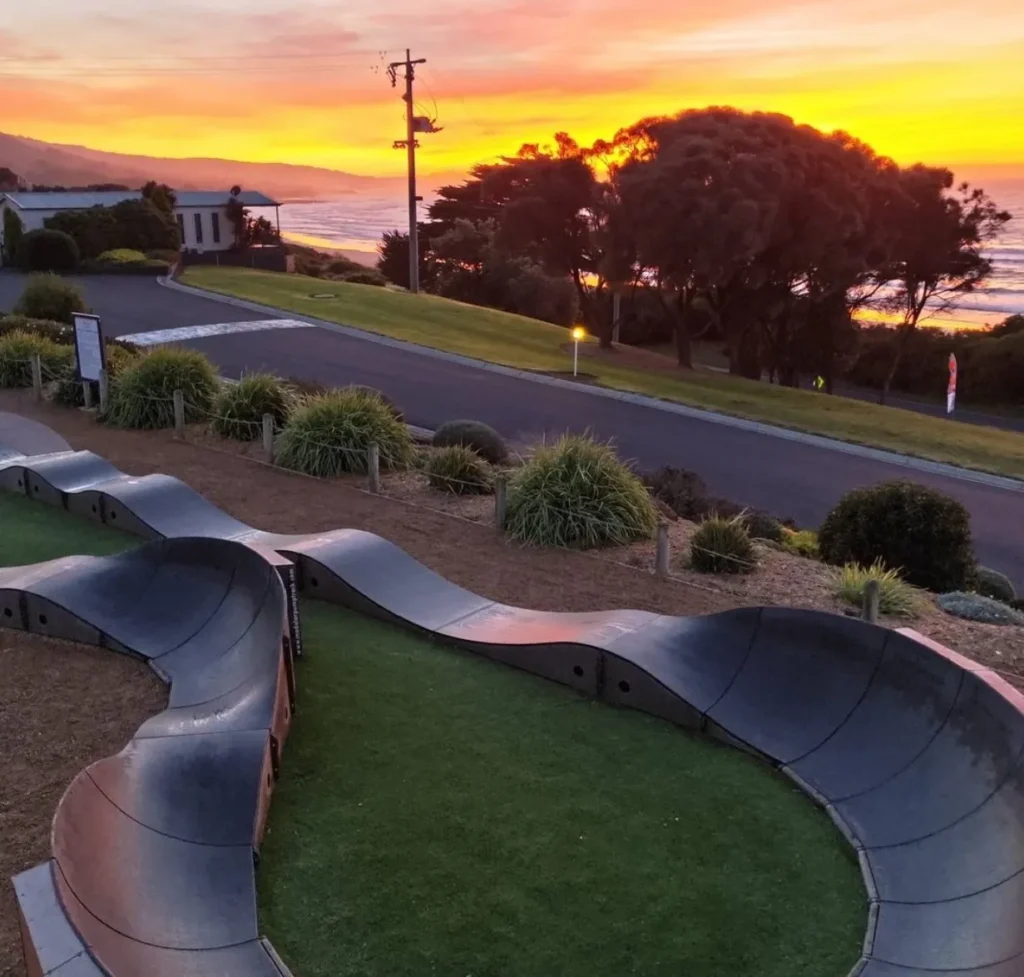
Best Camping Spots on Great Ocean Road
However, there are too many good Great Ocean road places to stay. Nevertheless, here are just a few that should not be missed:
Bimbi Park: Located at Cape Otway, Bimbi Park is well known for koala spotting and its proximity to Cape Otway Lightstation. It also serves as an ideal base for short walks through the forest leading to Beauchamp Falls or Hopetoun Falls, which are nearby.
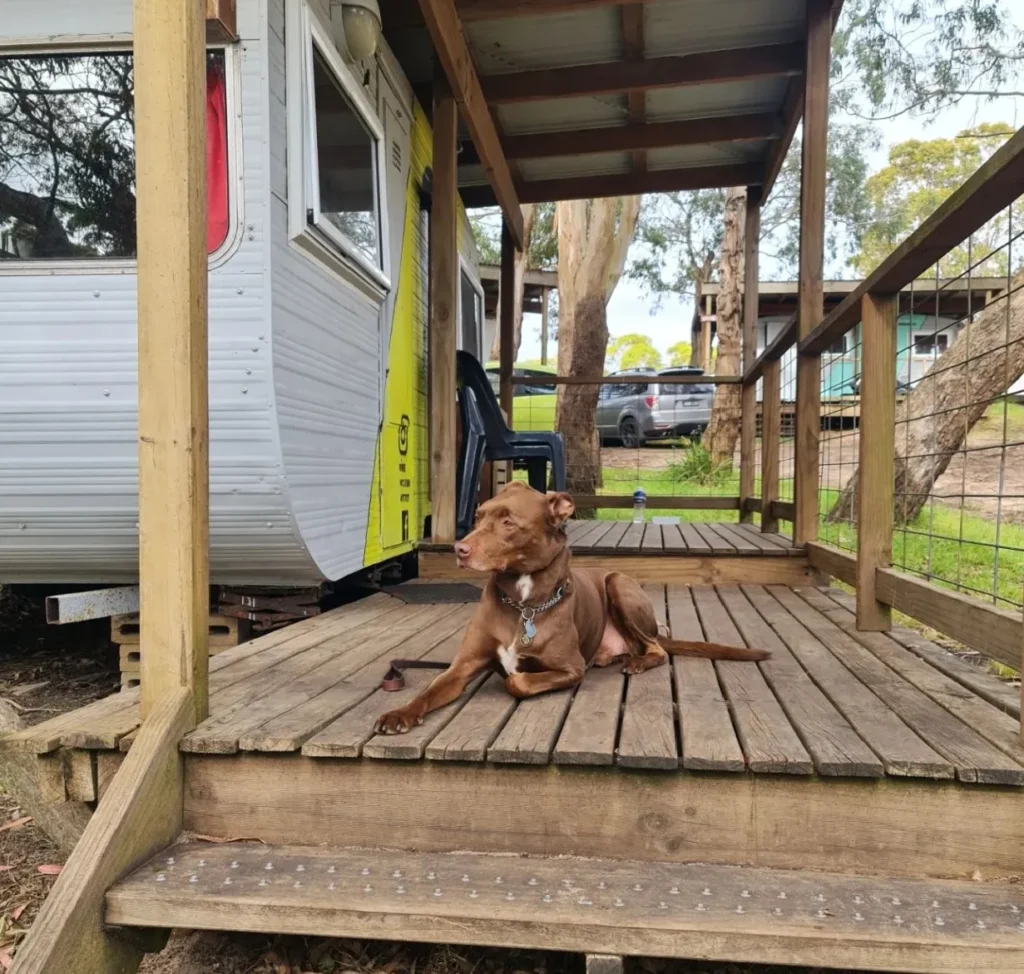
Kennett River Family Caravan Park is great for wildlife enthusiasts who seek to see koalas in their natural habitat. It is also within a short distance of magnificent Erskine and Phantom Falls.
The places are more than just sleeping places; they provide access to natural surroundings and other activities for adventurers. For example, one can go hiking in the Otways or surfing at Bells Beach.
Top Holiday Parks and What They Offer
| Park Name | Key Features | Location |
|---|---|---|
| Marengo Holiday Park | picnic tables, camp kitchen, Beach access | Apollo Bay |
| Kennett River Family Caravan Park | basic amenities, beach access, Close to wildlife | Kennett River |
| Cumberland River Holiday Park | stunning scenery, river access, Secluded spots | Near Lorne |
Kinds of Campsites to Choose From
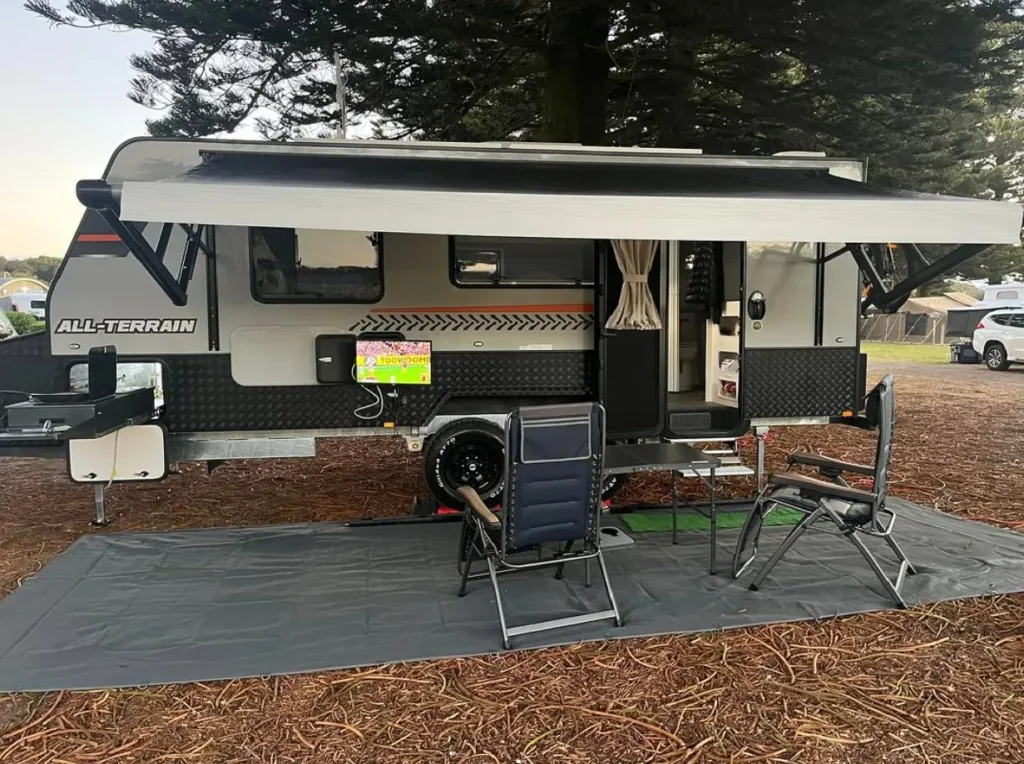
For those who want luxury while camping under canvas, many powered sites and cabins are along the Great Ocean Road. Anglesea Family Caravan Park and Surfside Holiday Park have power plugs in case you need to charge your phone batteries; you may also use them with electric cooking appliances or even heating small confined spaces on cold nights. Cabins are fixed structures unlike tents with bed(s)-sometimes several en-suite facilities and cooking areas. These options may suit families or groups who don’t fancy tent pegs or guy lines in their campsites. However, these cabins aren’t well distanced from nature since most have expansive outlooks and direct tracks leading to walkways and beaches.
Glamping vs Free Camping
For those desiring sophistication, while still roughing it out on camping trips across the Great Ocean Road, some glamping locations exist, like Pebble Point and Bells Beach, where people can rent luxurious tents complete with beds for two persons (with linens) plus hot tubs. This enables one to keep in touch with nature without preceding the advantages of civilization.
On the contrary, free camping sites, which are numerous in national parks and other remote regions, tend to attract those seeking adventure. Some typical examples of such places include Aireys Inlet and Sharps Camping Area, which doesn’t offer many facilities but rather an escape from modernity. It’s important to note that this type of camping generally does not provide any conveniences, so you should be ready to pack all your items in and out, including trash.
Safety First While Camping
You’re never safe when you’re far from civilization, even a few miles from anywhere. Camping along the Great Ocean Road is generally safe, although it is always good to be prepared for anything. Always ensure that there is someone who knows your whereabouts and return date, especially if you are venturing into sparsely populated areas.
Along the coast, weather changes rapidly; hence, always wear clothing suitable for rain, wind, and sometimes summer heatwaves, which are too hot to bear on a day out at the beautiful beach. Keep your equipment well arranged since rural Victoria has snakes and spiders. Also, remember that food should be appropriately stored because these pests are attracted to food spills or open packets. Also, remember that campfires can be a great way to end a day, but without proper control, they can become lethal immediately; hence, follow fire regulations religiously.
Essential Camping Trip Gear
Depending on the gear, a trip can be either good or a disaster. Here are some things that should always accompany campers:
• A reliable tent or caravan: Please note that owning waterproof and windproof tents is essential if you choose to sleep on canvas.
• Sleeping bags and pads: Even in summer, nights may still be cold, so remember to bring season-appropriate sleeping bags.
In addition to shelter and bedding, bring a portable stove or grill because no camp kitchen is available at all locations. Ensure your torch has enough power, like a headlamp or lantern, for night trips to the toilet and midnight snacks. Also, don’t forget about first aid kits for emergencies, such as bites and water storage containers, especially if you are heading to places where there might not be tap water. Lastly, regardless of your thoughts about mobile network coverage, old-fashioned map reading skills will keep you going forward.
Conclusion
Camping along the Great Ocean Road offers adventure, relaxation and stunning natural beauty in very few places worldwide. There are different camping sites along this road; one can choose from luxury glamping options up to bare-bone camping experiences. The entire route is dotted with places where camping is possible because it provides an opportunity to be one with nature, explore vast landscapes, and create unforgettable memories. So pack your swag bag, grab a mate and go on an outdoor adventure with just as much excitement as scenic sweeping views.
FAQ
When should I camp on the Great Ocean Road?
The moderate temperature experienced during spring and autumn makes them favourable seasons for camping on the Great Ocean Road. At the same time, they also come with less crowding due to the beauty of autumnal colours.
Are there any dog-friendly campsites along the Great Ocean Road?
Some campsites, such as Anglesea Family Caravan Park and Marengo Holiday Park, accept dogs. However, policies may differ, so it is important to check with the specific park.
How can I get a reservation during peak season at a popular campground?
Remember that scheduling your perfect spot in advance will prevent you from missing out on these busy times, which include school breaks and long weekends. Most of these favourite sites now have an online booking system, so you can secure your place before leaving home.
What are the campfire rules along the Great Ocean Road?
Campfires are subject to seasonal regulations, and their allowances vary between camping sites. This situation becomes very stringent during fire danger periods; therefore, it is advisable to be on the lookout for such information. Check current conditions always and follow local bushfire prevention guidelines.
Can I camp anywhere if I choose free camping?
Free camping gives one more flexibility, but make sure you only set up tents in designated areas; otherwise, it will damage fragile ecosystems or breach local laws. Look out for signs indicating that camping is allowed whenever they are present and leave nothing behind, including all wastes, which should be carried according to ” leave no trace’’ principles so that others can also come here to untouched parts of the wilderness.