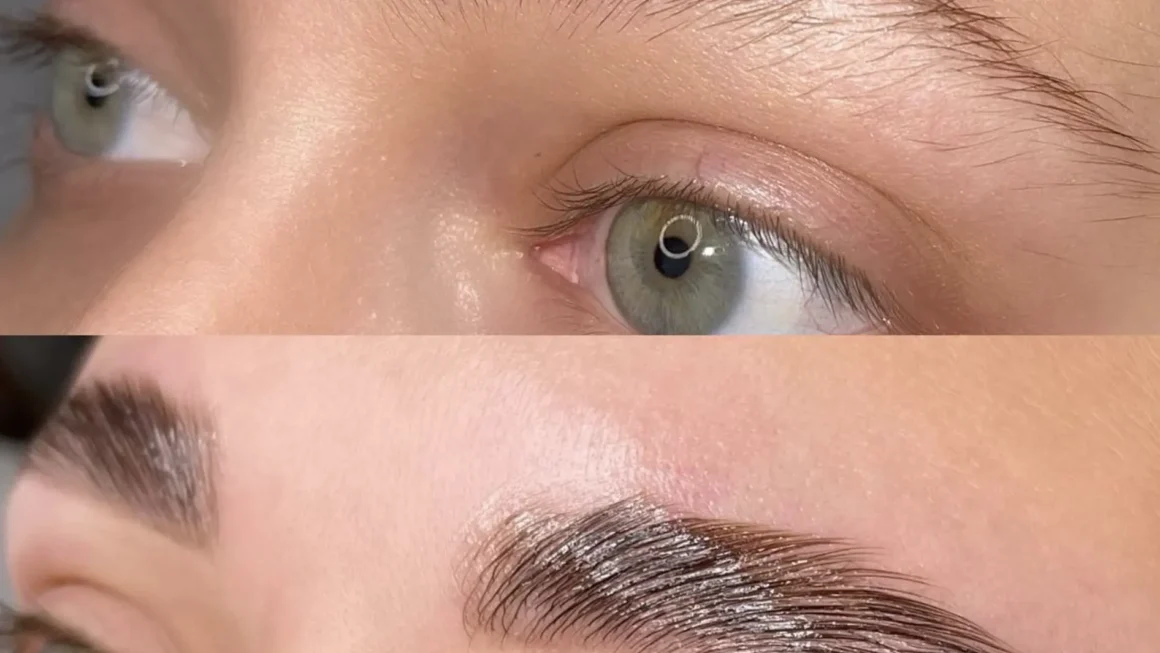
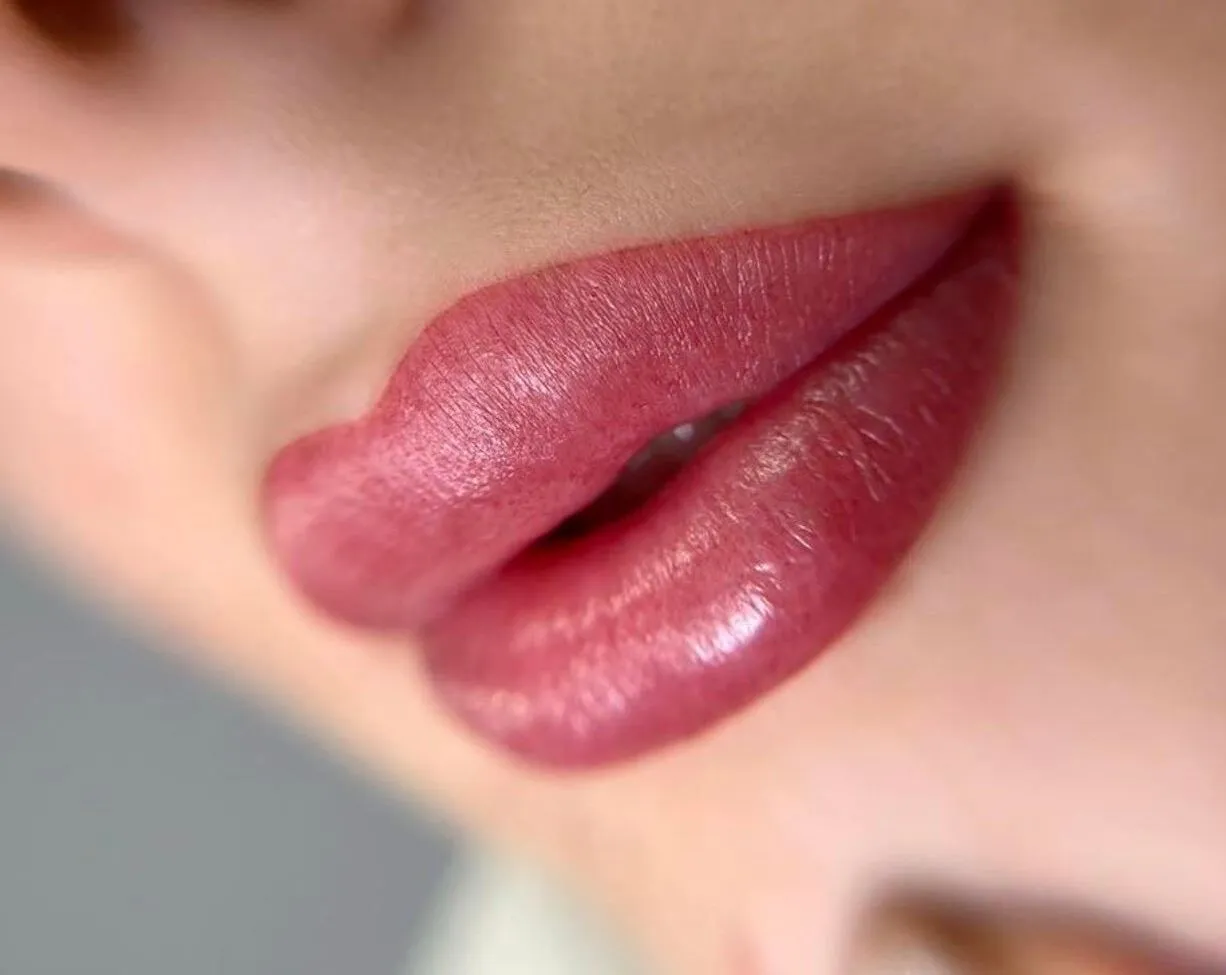
Getting a lip tattoo can be an exciting way to enhance your natural beauty, but the healing process requires special attention to ensure the best results. One of the biggest concerns during lip tattoo aftercare is avoiding scabbing, which can affect the colour and overall appearance of your new ink. In this guide, we’ll walk you through the aftercare routine that will help you prevent scabbing and keep your lips looking beautiful for long-lasting results.
Why Scabbing Happens After a Lip Tattoo
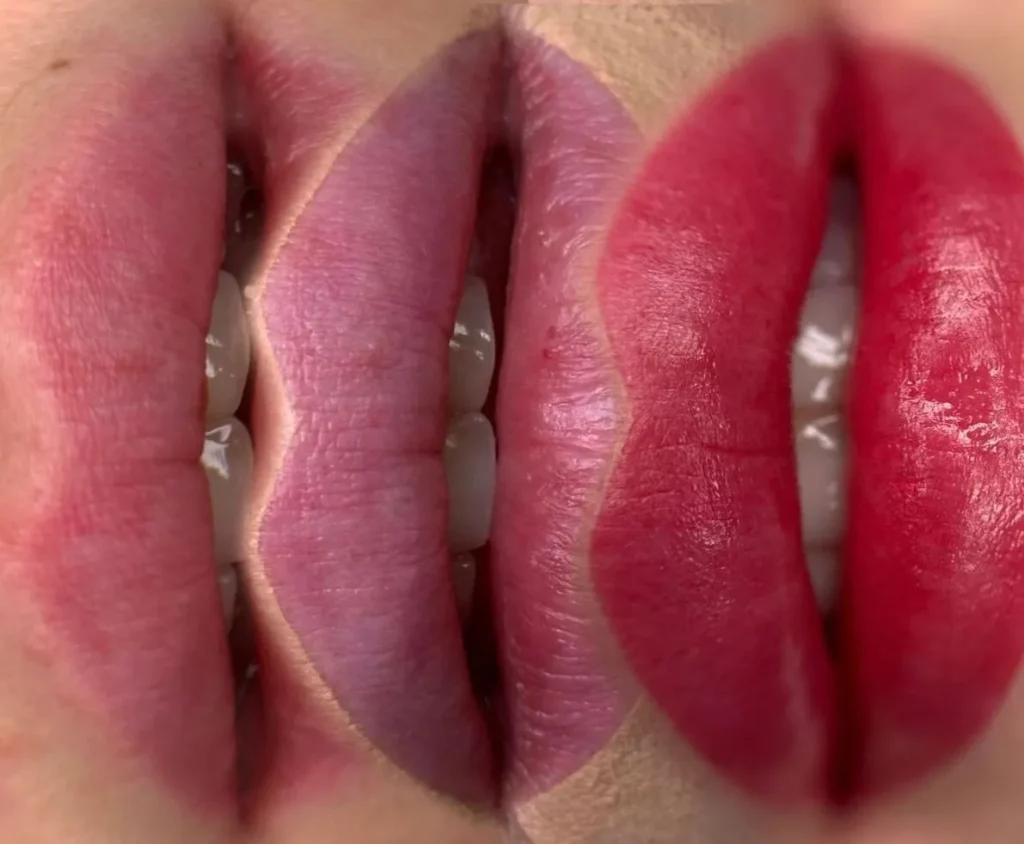
Scabbing is a natural part of the lip tattoo healing process. When the skin is punctured during the tattooing procedure, your body reacts by sending lymphatic fluids to the area, which form a protective layer to aid in healing. This layer, often referred to as a scab, acts as a natural bandage over the wound. While some light scabbing or flaking is expected and helps protect the area, excessive scabbing can indicate improper aftercare, which may lead to complications.
When scabs form in excess, they can cause uneven healing, leading to patches where the tattoo pigment either fades or falls off. This results in inconsistent colour and may require additional touch-ups to correct. Furthermore, excessive scabbing can trap bacteria under the skin, increasing the risk of infection. If an infection occurs, it can further disrupt the healing process and cause loss of pigment, uneven texture, and even scarring.
To prevent these issues, it’s essential to follow the recommended aftercare routine diligently. Keeping the lip skin hydrated, avoiding picking at the scabs, and protecting the area from environmental factors like direct sun exposure or bacteria are crucial steps to ensuring a smooth healing process and achieving long-lasting, beautiful results. Proper aftercare also helps maintain the vibrancy of your tattoo and reduces the need for constant touch-ups later on.
Immediate Aftercare: The First 24 Hours
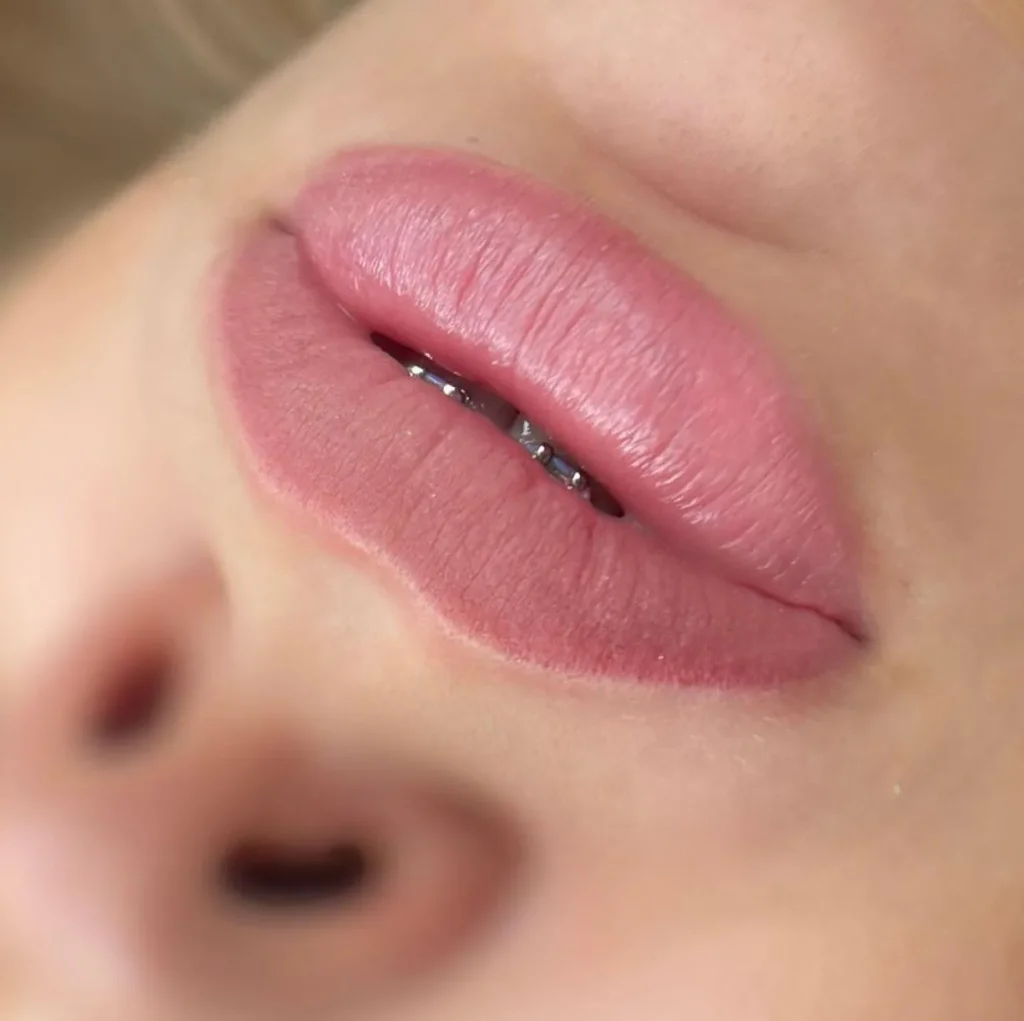
The first 24 hours are crucial for setting the foundation for optimal healing. Here’s what you should do:
- Gently Clean the Area: Use a clean tissue or cotton swab to gently blot your lips. Avoid aggressive movements like rubbing or scrubbing, as this can irritate the lip tissue and cause excessive moisture to accumulate.
- Apply a Layer of Ointment: Your experienced tattoo artist will likely recommend a healing balm or aftercare cream like Aquaphor. Apply a thin layer to keep your lips moist and prevent dry skin from forming.
- Avoid Touching: Resist the urge to touch your lips with your fingers. This can introduce airborne debris or bacteria, increasing the risk of infection and scabbing.
- Stay Hydrated: Drink lots of water to help your skin regenerate from the inside out. Proper hydration supports natural skin regeneration.
- No Hot Baths or Beverages: Hot baths and beverages can increase swelling and interfere with the healing of wounds. Stick to lukewarm water if needed.
Days 2-7: Keeping Your Lips Moist
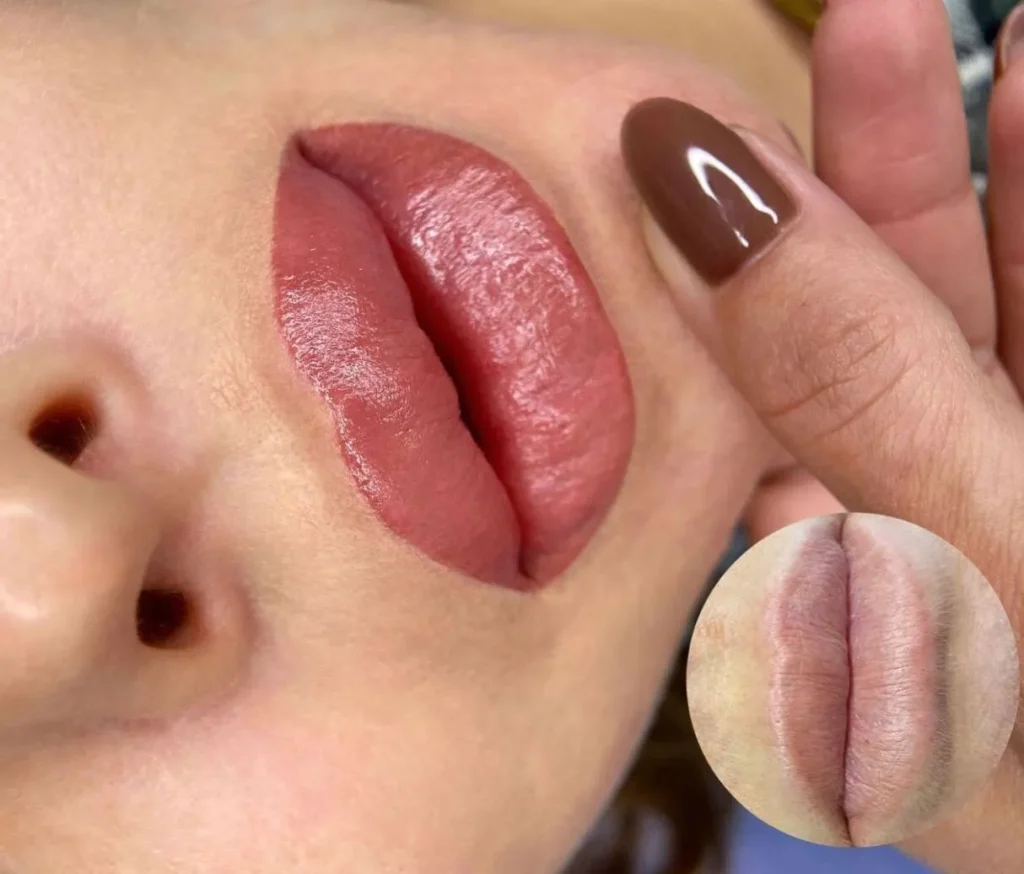
- Continue Using Healing Balm: Reapply your healing ointment or balm throughout the day to keep your lips moist and prevent dry skin. This will help the natural lip colour heal evenly.
- Avoid Harsh Products: Stay away from products that contain harsh chemicals, like alcohol based cleansers or chemical treatments like Vitamin C or anti-aging creams. These can irritate your delicate lip skin during this stage.
- Watch Your Diet: Avoid spicy food, acidic food and salty meals that can irritate the lips. Eating these can cause discomfort and slow down the healing process.
- No Smoking or Kissing: Smoking, kissing and excessive sweating can interfere with the healing process by causing friction or disrupting pigment retention.
Week 2 and Beyond: Long-Term Lip Care
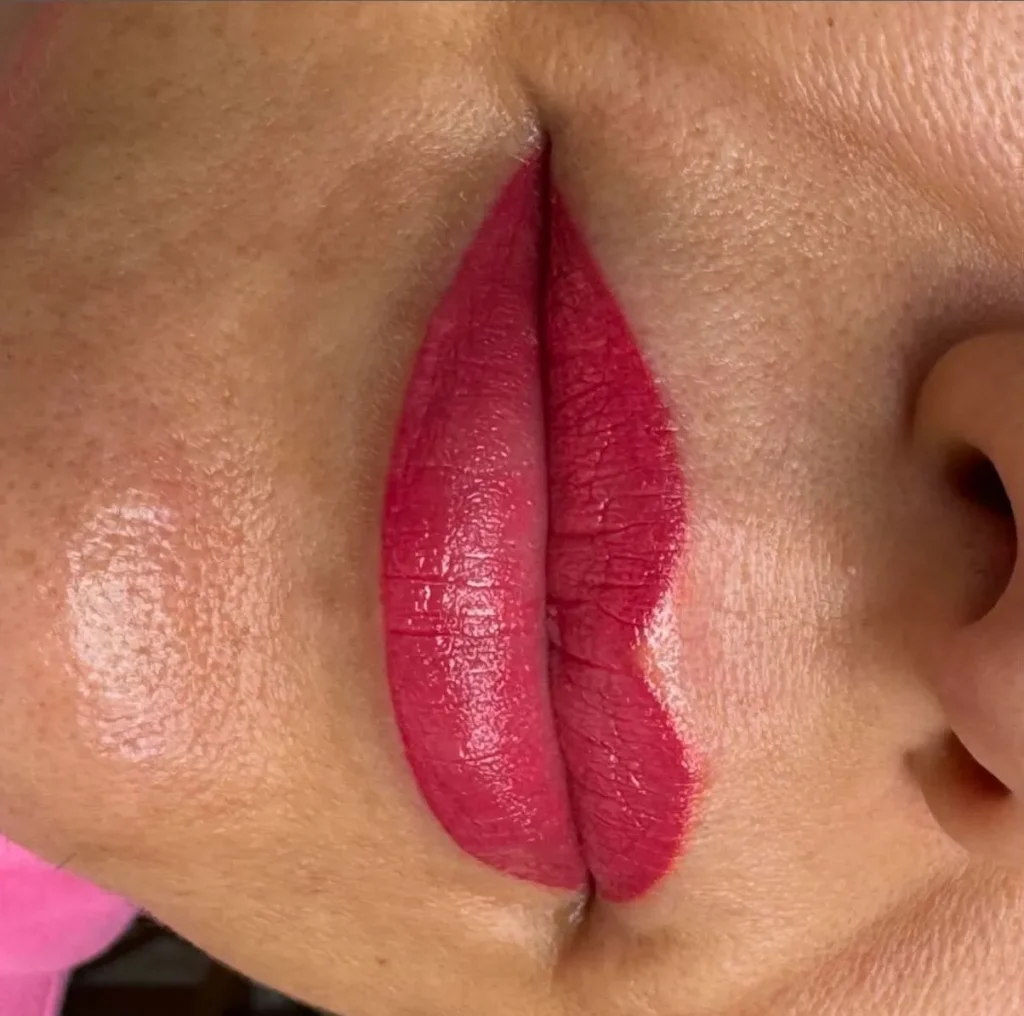
By week 2 your lips should be well into the healing process. Any scabbing should be minimal at this point but still take care of your lips for long term results.
- Switch to a Good Lip Balm: Switch to a lighter, fragrance free lip balm to keep your lips hydrated without overloading them with too much moisture. Choose a balm with SPF to prevent pigment loss from sun exposure.
- Avoid Direct Sun: Direct sun exposure can cause pigment to fade. Use a lip balm with SPF, or wear a hat to cover your lips.
- Be Patient: Healing times can vary depending on your skin type but full healing can take 1-2 months. The final colour of your lip blushing will appear once healing is complete.
Don’t Do This
- Pick at Flaky Skin: Even if you see peeling, don’t pick at it. This can cause scabs to form and pigment loss.
- Over Moisturizing: Too much product can suffocate your lips and prevent them from breathing which is essential for natural skin regeneration. Apply a thin layer of ointment as recommended by your tattoo artist.
- Ignoring Cold Sores: If you get cold sores, talk to your artist about taking antiviral medication to prevent an outbreak. Cold sores can interfere with the healing process and cause excess pigment to be lost.
- Not Following Professional Advice: Always follow the aftercare instructions given by your artist. Cosmetic tattooing is a specialized procedure, and professional advice is key to achieving a good result.
FAQs
How long does the healing process take?
2-4 weeks, but can vary depending on your skin type and aftercare. Full results 1-2 months.
Will my lips scab after a tattoo?
Light flaking or minimal scabbing is normal, but heavy scabbing should be avoided with proper aftercare. Excessive scabbing can cause loss of color and uneven healing.
Can I use ice packs to reduce swelling?
Yes, use an ice pack wrapped in a clean paper towel to reduce swelling, but don’t touch the tattooed area for extended periods. This helps minimize pigment retention.
What should I avoid after a lip tattoo?
Spicy food, hot drinks, smoking, kissing, and excessive sun exposure during healing. Also, no makeup, lip liners or harsh chemicals until your lips are fully healed.
When can I schedule a touch-up?
A touch-up is recommended 6-8 weeks after your initial procedure to perfect the colour and shape. Wait until healing is complete before scheduling a touch-up.